
Sensual massage has a reputation that runs the gamut from misunderstood to mysterious. Beyond the myths, many people seek this kind of touch for its calming, intimate, and restorative qualities. When delivered responsibly, a sensual massage service can be a safe way to explore relaxation, trust, and physical presence with another person.
This article walks through what such a service typically involves, how to choose a practitioner, what to expect in a session, and the practical steps that keep the experience respectful and safe. My aim is to give you clear, usable information so you can decide whether this service fits your needs and how to approach it with confidence.
What is a sensual massage service?
At its core, a sensual massage emphasizes slow, attentive touch that awakens sensory awareness rather than a purely clinical or athletic approach. The focus tends to be on creating a soothing atmosphere—soft lighting, comfortable temperature, and oils or lotions that enhance tactile sensation. It’s about slowing down and tuning in to the body’s responses.
Different practitioners describe their work with various terms: intimate massage, tantric-inspired bodywork, or therapeutic touch with a sensual emphasis. Whatever the label, two elements are essential: clear boundaries and informed consent. A reputable service makes those commitments explicit from the first contact.
Benefits of sensual massage
People pursue sensual massage for lots of reasons. Some want stress relief; others seek a deeper connection with their own bodies or with a partner. Many clients report improved sleep, decreased muscle tension, and a greater sense of presence after a session. These outcomes come from slowing the nervous system and reducing the adrenaline-driven patterns that build up in daily life.
The benefits are not purely physical. A carefully guided session can reduce anxiety, enhance body acceptance, and foster trust. For people in relationships, shared sessions can open new channels of communication and intimacy when both partners agree on boundaries up front.
- Deep relaxation and stress reduction
- Improved body awareness and sensory sensitivity
- Release of muscle tension and improved circulation
- Enhanced emotional openness and trust
- Support for sleep and mood regulation
What to expect during a session
A professional sensual massage session typically begins with a conversation. You and the practitioner will talk about goals, boundaries, medical considerations, and any areas to avoid. This intake is essential. It sets the tone and ensures the practitioner adapts pressure, pace, and techniques to your comfort level.
After the intake, the room is prepared and the practitioner explains the flow. You may be asked to undress to your comfort level and lie on a massage table covered with towels or sheets. Music, scents, and lighting are chosen to support relaxation. During the massage, the practitioner will check in periodically to confirm pressure and comfort.
- Initial consultation and consent discussion
- Room and mood preparation (lighting, music, oils)
- Comfortable positioning and draping for privacy
- Slow, paced touch with periodic verbal check-ins
- Closing conversation and aftercare guidance
Choosing a provider
Selecting a practitioner matters more here than with some other services because touch is inherently personal. Look for someone who lists credentials—massage therapy license, relevant training in sensual or intimacy-focused modalities, and clear policies on consent and boundaries. Reviews and word-of-mouth can help, but direct communication with the practitioner is the best way to gauge fit.
Price and setting are practical considerations. A dedicated studio with private rooms usually indicates a more professional operation than an unclear ad or an unverified home setup. Don’t hesitate to ask about hygiene practices, session length, what is and isn’t included, and how refunds or cancellations are handled.
| Factor | What to look for | Questions to ask |
| Credentials | License, training in relevant techniques | Where were you trained? Are you licensed? |
| Policies | Clear consent and cancellation rules | What is your consent policy? What’s included? |
| Setting | Private, clean, comfortable environment | Is the studio private? How do you maintain hygiene? |
| Reviews | Verified client feedback speaks volumes | Can I see testimonials or references? |
Communication and consent
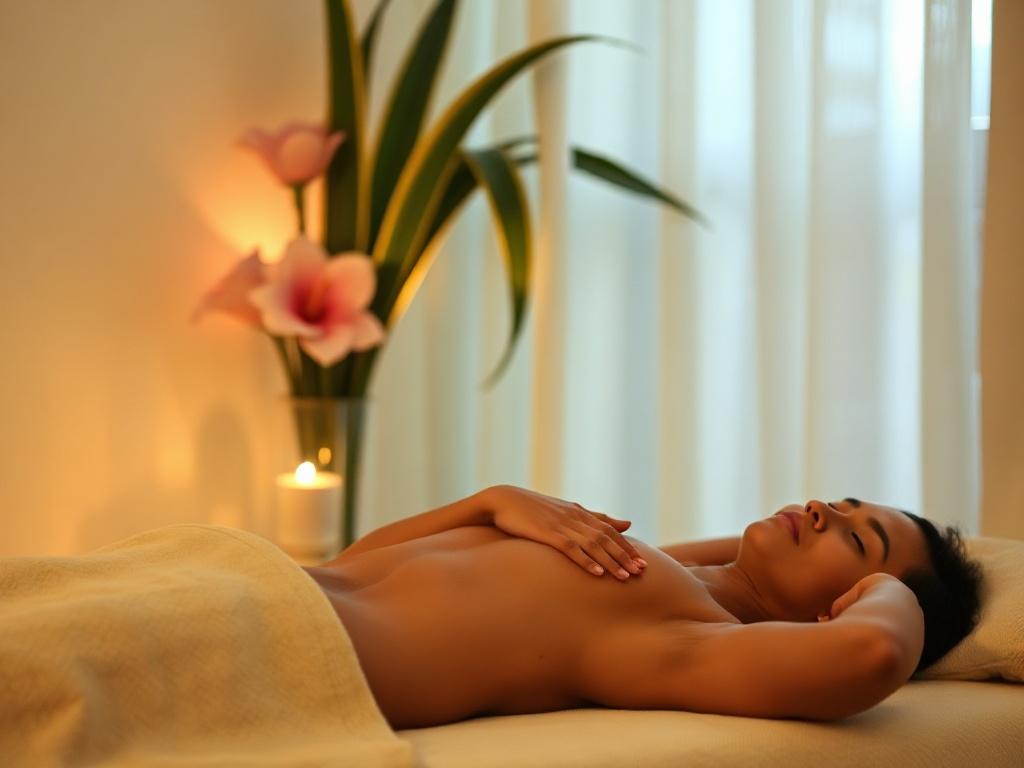
Good communication is the backbone of any sensual massage service. Consent is not a one-time yes; it’s an ongoing process. A professional practitioner will ask for explicit consent and will welcome you to pause or adjust the session at any time. They should also be able to explain what will and won’t happen during the session without pressure or ambiguity.
Preparing your questions ahead of time helps. If you feel nervous, voice that upfront—the practitioner’s response will tell you whether they respect boundaries. Trust is built in small moments: a calm explanation, a willingness to stop, or a gentle check-in after a shift in pressure.
- State your physical needs and comfort level clearly
- Ask about techniques and whether they involve intimate areas
- Agree on a safe word or signal if something becomes uncomfortable
- Expect verbal check-ins throughout the session
Safety, hygiene, and boundaries
Safety in sensual massage includes physical hygiene, sexual health awareness, and emotional care. Practitioners should sanitize surfaces and use fresh linens for each client. Oil and lotion choices should be disclosed in case of allergies. If a provider asks you to touch or be touched in ways you didn’t consent to, that’s a red flag.
Boundaries are also about respecting emotional limits. Some people uncover suppressed feelings or strong sensations during a session. A responsible practitioner knows how to pause, create space, and offer aftercare suggestions without pushing for deeper intimacy than was agreed upon.
- Insist on fresh linens and clean hands/devices
- Disclose any health conditions beforehand
- Only agree to touch you consented to—no exceptions
- Confirm whether sexual contact of any explicit nature is allowed; many professionals prohibit it
Etiquette and preparation
Preparing for a session helps you relax and get more from the experience. Arrive a little early to breathe and fill out any intake forms without rushing. Avoid heavy meals and alcohol right before your appointment. Showering beforehand is considerate and helps you feel fresh and present.
During the session, silence is fine; some people enjoy soft music, others like quiet. If you prefer temperature adjustments, more pressure, or a change in pace, say so. After the session, give yourself time to integrate—slow movement, water, and a light snack can help your nervous system recalibrate.
- Arrive 10–15 minutes early
- Avoid alcohol and large meals beforehand
- Shower and wear comfortable clothing
- Bring a list of any medications or health concerns
Aftercare
Aftercare is often overlooked but it’s vital. A good practitioner will suggest gentle stretches, hydration, and time to rest. Some people experience emotional release; that is normal and usually transient. Having a plan—someone to talk to or a quiet place to lie down—can make after-effects easier to manage.
Follow-up communication is appropriate. If something felt off during or after the session, let the practitioner know. Conversely, if you had a positive experience, provide feedback. That helps practitioners refine their approach and gives future clients a clearer picture of what to expect.
- Take time to rest and hydrate
- Notice any emotional or physical reactions
- Follow any practitioner’s aftercare suggestions
- Provide feedback or ask follow-up questions if needed
Legal and ethical considerations

Regulations around massage and intimate services vary widely by location. In many places, laws distinguish clearly between therapeutic massage and sexual services. Make sure any provider operates within local regulations and has the proper licensing or permits. If something seems shady, it probably is—trust your instincts.
Ethics matter as much as legality. Clear boundaries, transparent pricing, and a refusal to coerce clients are signs of an ethical practice. If a provider attempts to pressure you into extra services, or if their policies are vague or evasive, walk away. Ethical practitioners welcome questions and provide clear, respectful answers.
Conclusion

Sensual massage service, when offered responsibly, can be a gentle path to relaxation, heightened body awareness, and improved emotional connection. Prioritize clear communication, hygiene, and consent; choose a practitioner who explains their methods and respects your boundaries; and give yourself permission to rest and reflect after a session. With those elements in place, the experience can be safe, nourishing, and quietly transformative.