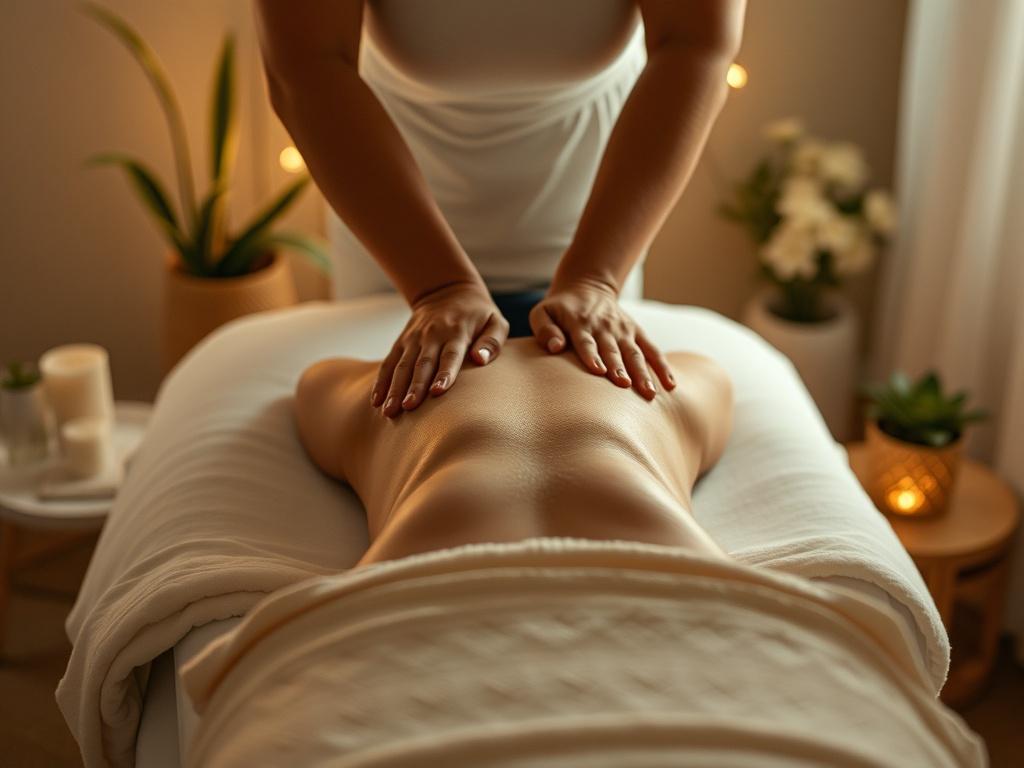

Nuru masaj is a form of bodywork that many people encounter through curiosity, word of mouth, or at specialty spas. The phrase may sound exotic, and part of the intrigue comes from its emphasis on full skin-to-skin contact and a slow, continuous pace. This guide walks through what the practice is, how it differs from other kinds of massage, what you need to prepare, and how to approach it safely and respectfully.
I’ll keep explanations practical and plain: no sensational language, no guessing. If you’re exploring nuru for professional reasons or simply want to learn more before deciding whether it’s right for you, the sections below give clear, usable information without making assumptions about intentions.
What is Nuru Masaj?
At its core, nuru masaj is a type of massage that uses a special slippery gel and emphasizes continuous, gliding contact across large areas of skin. The gel—traditionally made from seaweed—creates a very smooth surface that allows the practitioner to move with minimal friction. Sessions are typically slow and rhythmic, focusing on the sensation of connected movement rather than isolated, deep pressure work.
Because skin-to-skin contact is central, the practice is often categorized apart from more conventional therapeutic massages like Swedish or deep tissue. That distinction matters: nuru sessions are not primarily about working knots or breaking down scar tissue. Instead, they create a distinctive sensory environment that many find calming, grounding, or intimate—depending on context and the participants’ intentions.
Origins and Cultural Context
Nuru massage originated in Japan and the word «nuru» itself means «slippery» in Japanese. The style developed as a specific approach to massage that used a gelatinous medium to facilitate continuous, flowing movement. Over time the practice spread internationally and took on different interpretations in spa and private settings.
Understanding that cultural roots exist helps to frame the practice respectfully. When choosing a practitioner or discussing nuru in a professional setting, it’s useful to be aware of local regulations, spa standards, and the etiquette that surrounds intimate forms of bodywork. Those factors shape how the practice is presented and experienced.
How Nuru Masaj Differs from Other Bodywork
It’s helpful to compare nuru to more familiar massage styles so expectations are clear. The differences lie in goals, tools, and contact style. While Swedish massage aims to improve circulation and relaxation through strokes and kneading, and Thai massage focuses on stretching and joint mobilization, nuru centers on sustained, full-body glides using a lubricating medium.
Below is a simple comparison to highlight those distinctions without technical jargon.
| Feature | Nuru Masaj | Swedish Massage | Thai Massage |
| Primary focus | Continuous skin-to-skin glide | Relaxation and circulation | Stretching and energy lines |
| Contact style | Extensive full-body contact | Hands, forearms, moderate surface contact | Hands, feet, assisted movement |
| Medium | Hydrating, slippery gel | Massage oil or lotion | Usually no oil; clothing often worn |
| Typical setting | Specialized environment, waterproof surfaces | Massage table in spa or clinic | Mat on floor, therapist-assisted |
Preparing for a Session
Preparation makes a big difference in how smooth and comfortable a nuru masaj experience can be. The most important elements are clear communication, a clean environment, and the right supplies. If you are booking with a professional, ask about their hygiene protocols and what they provide; if you plan to try this at home, assemble everything beforehand.
Here are the basic items commonly used for a safe and respectful session. The list focuses on practical needs rather than decorative extras.
- High-quality, water-soluble nuru gel (seaweed-based options are common)
- Large waterproof sheet or vinyl mat to protect surfaces
- Towels for drying and modesty when needed
- Non-slip surfaces or mats to prevent slipping
- Warm washcloths and running water for rinsing
- Proper lighting and a comfortable room temperature
Keep cleaning supplies close by for a quick tidy-up afterwards. Because the gel is slippery, plan for extra time to clean the space and to allow participants to shower and change comfortably once the session ends.
Step-by-Step: A Respectful Basic Session
When describing steps, the goal is to outline a flow you can follow without getting into explicit detail. The sequence below emphasizes consent, communication, and comfort. If you’re a professional, adapt it to your training and local regulations; if you’re practicing privately, prioritize safety and boundaries.
- Discuss boundaries and expectations beforehand—what areas are acceptable, what is off-limits, and any health concerns.
- Prepare the space: waterproof sheet, warmed gel, towels, and a warm room temperature.
- Both participants should shower before the session to ensure cleanliness and remove lotions that can interfere with the gel.
- Apply a small amount of gel to a test area to confirm no allergic reaction; then warm it before broader application.
- Start slowly, maintaining verbal check-ins about pressure, temperature, and comfort. Move deliberately and avoid sudden shifts.
- Conclude by assisting the other person with wiping away excess gel and offering time and space to shower and change.
Throughout these steps, the focus is on mutual respect and clear, ongoing consent. Any time discomfort or uncertainty arises, stop and reassess.
Safety, Consent, and Legal Considerations

Because nuru involves close contact, safety and consent are non-negotiable. Begin every session with an explicit agreement about what will happen, and keep the option to pause or stop at any moment. Consent should be enthusiastic, informed, and revocable.
Legal rules and spa policies vary by location. In many jurisdictions, services that involve intimate contact fall under specific licensing and regulatory requirements. If you plan to offer nuru professionally, check local laws, obtain necessary certifications, and follow health and sanitation standards. For private sessions, be mindful of consent, privacy, and the emotional implications of intimate contact.
- Always document informed consent when professional services are provided.
- Screen clients for skin conditions or infections that could be aggravated by gel or close contact.
- Maintain strict hygiene standards—clean surfaces and launder towels after each session.
- Respect privacy and confidentiality at all times.
Benefits and Potential Risks
People report a variety of responses to nuru masaj—from deep relaxation and lowered stress to feelings of closeness with a partner. The long, uninterrupted strokes can create a soothing rhythm and a sense of being cared for, which is beneficial for stress reduction and mood.
At the same time, risks exist. Slippery surfaces can lead to falls; skin reactions to gels are possible; emotional boundaries may become blurred. Being aware of these risks lets you mitigate them with proper setup, communication, and aftercare.
- Potential benefits: relaxation, reduced muscle tension from gentle movement, enhanced sense of connection, sensory grounding.
- Possible risks: slipping injuries, allergic or irritant reactions to gels, boundary issues, and legal complications if offered without proper authorization.
Professional vs. Home Practice
Deciding whether to receive a nuru masaj from a professional or try it at home depends on your comfort level, trust in the practitioner, and local regulations. Professional providers bring training, experience, and a controlled environment; home practice gives privacy and the ability to set the pace but requires careful preparation.
When hiring a professional, look for clear credentials, positive reviews, and transparent hygiene practices. If you choose to explore a session at home, start slowly, prioritize consent, practice with safe footing, and limit the first attempt to a short, low-intensity session to test comfort and compatibility.
Frequently Asked Questions
People often have practical questions about nuru masaj: how long sessions typically last, whether the gel stains, and how to respect privacy. Below are concise answers to common concerns so you can move forward well-informed.
- How long does a session last? Sessions are usually 45–90 minutes, depending on the goals and preferences of the participants.
- Does the gel stain clothing or sheets? High-quality nuru gel is formulated to be water-soluble and wash out of fabrics, but using waterproof coverings is still important.
- Is training required to perform this professionally? In many places, yes—practitioners should have massage or bodywork certification and follow local licensing laws.
- What if I feel uncomfortable during a session? Stop immediately, express your concern, and end the session if needed. Your comfort is the priority.
Conclusion
Nuru masaj is a distinctive form of bodywork that emphasizes gentle, continuous skin contact and requires clear communication, good hygiene, and respect for boundaries; approached thoughtfully, it can be a calming and connective experience, but it’s important to prioritize safety, consent, and appropriate training or information before participating.