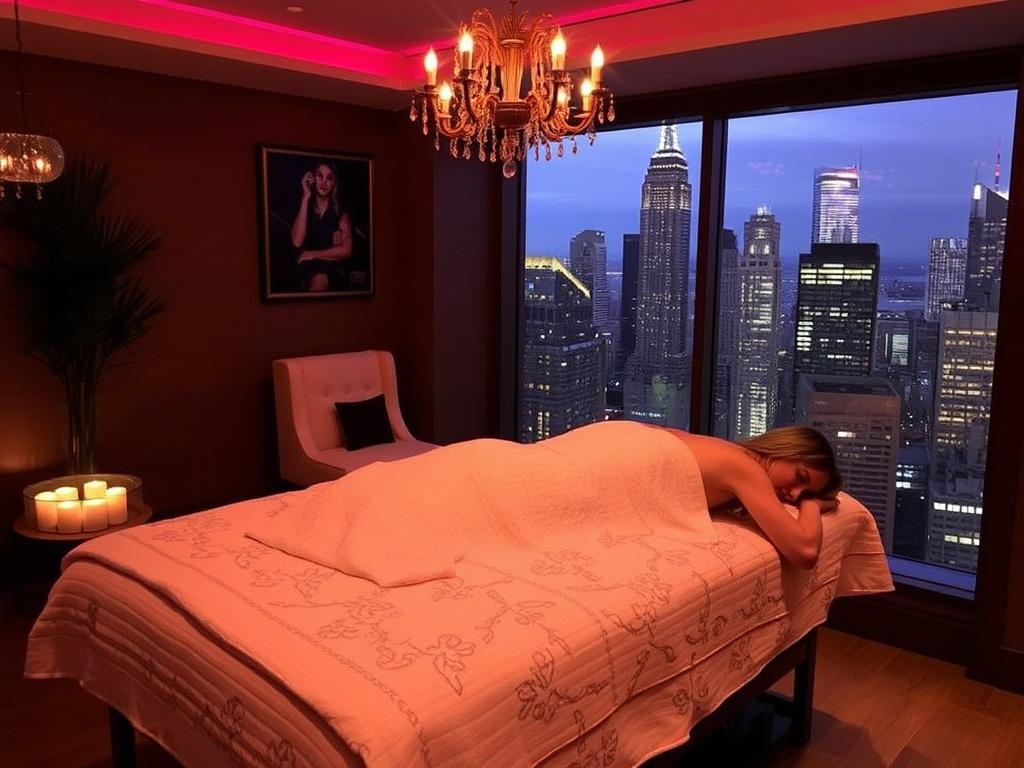

New York City is louder, faster, and more varied than most places on Earth, and that variety shows up in its spa scene. When you hear «exotic massage» here, you might picture something mysterious or luxury-only—and sometimes you’re right. But most of what makes a massage feel exotic is actually the techniques, ingredients, and cultural roots behind it, not anything illicit.
This guide walks you through what to expect, how to choose a reputable studio, and how to prepare so your time on the table is both restorative and worry-free. Whether you want a Balinese ritual, a heat-driven treatment, or a rhythmic island-style massage, you’ll find practical advice for finding the right spot in the city.
What «Exotic Massage» Means in New York City
In NYC, «exotic» is a catch-all term often used to describe treatments that differ from classic Swedish or sports massage: think long flowing strokes from Polynesian traditions, aromatic herbal wraps from Southeast Asia, or bodywork that incorporates warm stones, cups, or oil blends. It signals novelty and sensory richness rather than a single, clearly defined protocol.
It’s important to separate marketing from reality. Legitimate exotic treatments emphasize licensed therapists, clear consent, and sanitary practices. If an advertisement or establishment seems vague about its methods, or refuses to answer basic questions about licensing and scope, treat that as a red flag and keep looking.
Popular Exotic Massage Styles You’ll Find in NYC
The city’s diversity means you can sample techniques from across the globe without leaving the boroughs. Each style has its own rhythm, pressure profile, and typical benefits—some prioritize relaxation, others mobility, and some are designed to stimulate the senses.
Below are a few styles you’ll commonly encounter. Short descriptions help you decide which aligns with your goals and comfort level.
Balinese and Thai Traditions
Balinese massage blends long, flowing strokes, acupressure, and aromatherapy to produce a warm, calming experience. It often includes fragrant oils and gentle stretches, making it accessible for people who prefer a soothing pace.
Traditional Thai massage is more dynamic: therapists use palms, thumbs, knees, and feet to apply pressure and guide passive stretching. It’s typically done on a mat and with looser clothing. Thai bodywork leans toward improving flexibility and circulation rather than simply relaxing muscle tension.
Hot Stone, Cupping, and Heat-Based Therapies
Heat elements make many sessions feel exotic. Hot stone massage uses smooth, heated basalt stones placed on the body and used as extensions of the therapist’s hands to deliver deep, even warmth. That warmth helps muscles soften and respond better to longer strokes.
Cupping, which recently entered mainstream sports and wellness circles, uses suction cups to lift soft tissue and may reduce stiffness and increase blood flow. In the right hands, these modalities can complement classic techniques for a layered sensory experience.
Lomi Lomi and Island-Inspired Work

Lomi Lomi, from Hawaii, is characterized by continuous, dance-like strokes that can feel as much like movement as conventional massage. Practitioners often aim to create a rhythmic flow that calms the nervous system and helps release emotional tension as well as physical tightness.
Island-inspired treatments frequently incorporate tropical oils, rhythmic motion, and sometimes rituals such as mindful breathing or guided relaxation. They’re designed to transport you briefly—mentally and physically—to a different pace of life.
How to Choose a Reputable Exotic Massage Spa
Finding the right place takes a mixture of research and instinct. In a city full of options, the best spas are transparent about who does the work, how they’re trained, and what a session will include.
Here’s a compact comparison to help you evaluate studios quickly. Use it as a checklist while browsing websites or calling for information.
| What to look for | Why it matters | Red flags |
| Licensed therapists (LMT) | Indicates formal training and adherence to state regulations | Refusal to disclose credentials or insistence on cash-only service |
| Clear service descriptions | Helps you know exactly what will happen during your appointment | Vague language like “special session” without details |
| Clean, professional environment | Shows attention to hygiene and client comfort | Dirty linens, no private changing area, or cramped treatment rooms |
| Transparent pricing and policies | Prevents surprises and makes cancellations straightforward | Unlisted fees, ambiguous timeframes, or pressure tactics |
Questions to Ask Before Booking
Calling ahead saves time and prevents awkward moments. A reputable spa welcomes questions and answers them clearly; a dodgy one will avoid specifics or become defensive.
Ask direct, simple questions and make a note of how staff respond. Their tone tells you as much as their answers.
- Is the therapist licensed and experienced in this modality?
- What is included in the session length—table time or total appointment time?
- Do you use oils, and are they hypoallergenic?
- What is your cancellation policy?
- Are there any intake forms or health questions to complete beforehand?
Preparing for Your Session
Preparation affects how much you get out of a treatment. Little steps beforehand let you relax faster and maximize benefits during your time on the table. Aim to arrive a few minutes early to settle in and complete any intake forms.
Keep your expectations realistic: exotic does not always mean intense. Communicate your goals—deep pressure, relaxation, or increased mobility—so the therapist can tailor techniques to you.
- Hydrate well the day of your session; water supports circulation and recovery.
- Wear comfortable clothes to and from the spa; you’ll likely change into a robe.
- Avoid heavy meals just before your appointment to prevent discomfort while lying face down.
- Note any allergies and inform the therapist of areas to avoid or focus on.
- Turn off your phone or set it to silent to maintain a calm environment.
Etiquette and Safety Tips
Respectful behavior creates the best conditions for a restorative session. Therapists follow codes of conduct, and your cooperation makes their job easier and the outcome better for both of you.
Consent and boundaries are central in reputable spas: therapists will check in about pressure and comfort, and you should feel empowered to speak up if something doesn’t feel right.
- Communicate openly about pressure and comfort levels before and during the session.
- Do not ask for or tolerate services that feel sexual or cross professional boundaries.
- If you feel uncomfortable, pause or stop the session and request to speak with management if necessary.
- Tip according to local norms—typically 15–25% for satisfactory service in NYC.
- Keep personal hygiene simple and clean; arrive fresh to improve mutual comfort.
Prices, Packages, and Timing in NYC
Prices in Manhattan will generally be higher than outer boroughs, but quality and atmosphere vary across neighborhoods. Expect to pay a premium for highly specialized therapists, exclusive products, or longer ritual-style sessions that include multiple components.
Packages can offer value if you plan ongoing care: monthly memberships, combination sessions (massage plus facial or body wrap), and seasonal rituals are common. Compare total value—time on the table, included amenities, and therapist qualifications—rather than choosing based on price alone.
Legal and Health Considerations
New York State regulates massage therapy to protect public health. Licensed therapists have passed exams and adhere to sanitation and scope-of-practice rules. Always verify credentials when in doubt; many spas list therapist names and license numbers on their websites or will provide them on request.
Health-wise, exotic modalities can be safe and beneficial for stress reduction and mobility when performed by trained professionals. If you have medical conditions—pregnancy, recent surgery, or circulatory problems—consult your doctor first and disclose your condition to the therapist so they can modify techniques.
Conclusion

Exotic massage in NYC can be a deeply rewarding way to reset—if you choose carefully. Prioritize licensed therapists, clear communication, and a clean environment; ask questions before booking; and set expectations that align with therapeutic, non-sexual bodywork. With a little research, you can find a distinctive, restorative experience that feels both safe and refreshingly different from the everyday.