
Nuru massage is one of those experiences that sounds mysterious until you learn the simple facts behind it. At its core it’s a form of bodywork that emphasizes close contact, a slippery gel, and a slow, responsive rhythm. Beyond the headlines and myths, it’s a technique with its own history, tools, and etiquette—and like any intimate practice, it works best when approached thoughtfully and safely.
This article walks through what nuru massage is, how a session typically unfolds, the materials and preparation involved, and the boundaries that keep it ethical and consensual. Read on to get a practical, clear picture—no sensationalizing, just useful information so you can decide whether this kind of massage is right for you or your partner.
What is nuru massage?
Nuru massage is a type of massage that involves close, often skin-to-skin contact while using a specially formulated, slippery gel. The word “nuru” comes from the Japanese word for “slippery,” and that slickness is the defining feature. Practitioners use it to glide across another person’s body, creating a unique sensory experience that differs from conventional massages with oil or lotion.
Although many people associate nuru with erotic contexts, it is useful to separate technique from intent. The method can be used for relaxation, arousal, or connection—what it becomes depends on the participants’ intentions and the boundaries they set beforehand. That flexibility is one reason it has become popular in a range of settings.
History and cultural background
Nuru originated in Kawasaki, Japan, in the late 20th century and spread through clubs and private practitioners before becoming known worldwide. The style evolved from local bodywork traditions and adapted to incorporate the distinctive gel that defines the practice.
As it traveled geographically, nuru took on different meanings and associations depending on local customs and regulations. In some places it’s treated purely as a sensual service; in others it’s presented as an upscale form of therapeutic touch. Understanding that cultural context helps explain the variations you’ll find when researching practitioners or studios.
How a typical nuru session goes
Sessions can vary widely, but they usually follow a basic structure: arrival and check-in, briefing and consent, preparation of the gel and space, the massage itself, and post-session aftercare. Professional studios emphasize clear consent, safety, and hygiene at every step.
A typical session starts with a conversation. The practitioner will ask about your health, any injuries, and your comfort levels. Boundaries are clarified, including what kind of contact is acceptable and where the session will begin and end. This initial talk sets the tone and protects both parties.
Once consent and expectations are established, the massage area is prepared. A waterproof sheet or mattress cover is common because the gel creates a lot of slipperiness. The practitioner applies the gel and uses their body to glide across the recipient’s body in slow, rhythmic movements. Throughout, attention is paid to feedback—verbal cues, breathing, and other signals—to ensure comfort and safety.
Step-by-step outline
- Pre-session discussion and health screening.
- Consent and boundary setting.
- Preparation of the space and warming the gel if necessary.
- Initial massage to acclimate to pressure and rhythm.
- Main session with sustained skin-to-skin contact and movement.
- Gradual finishing, cleaning, and brief aftercare conversation.
Each step is adaptable. A good practitioner will slow down or switch techniques based on comfort and feedback, never rushing the process.
Benefits and what to expect
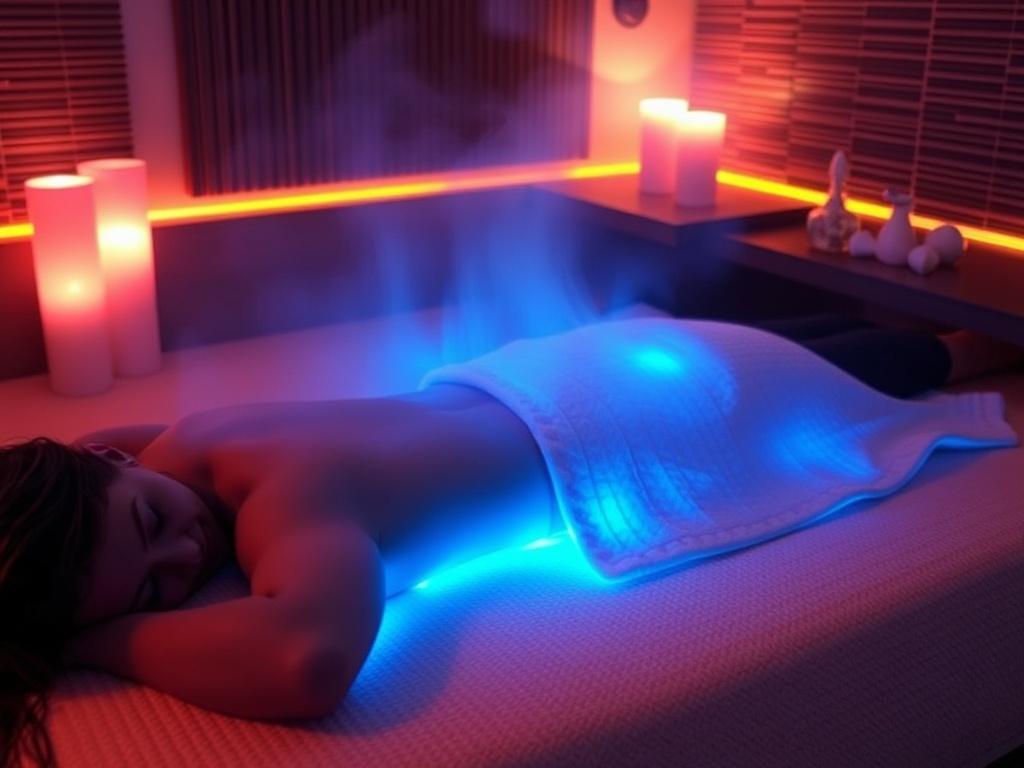
People seek nuru massage for different reasons: deep relaxation, heightened intimacy with a partner, or simply the novelty of a tactile experience. The heavy emphasis on sustained touch can reduce tension and promote a sense of calm, much like other forms of massage.
On a psychological level, the close physical contact and focus on breathing and sensation can increase feelings of presence and connectedness. For couples, it can be a way to explore nonverbal communication and trust. Physically, the sliding motions can ease muscle stiffness and stimulate circulation, though it is not a substitute for medical treatment.
Safety, hygiene, and consent
Safety and cleanliness are non-negotiable. The gel used in nuru massage is designed to be hypoallergenic and water-based, but anyone with sensitive skin should test a small area first. Practitioners should use fresh gel for each client and clean linens and surfaces after every session.
Consent must be explicit and ongoing. That means both parties agree to the type of contact and can stop at any time. Professional practitioners will review boundaries before work begins and check in during the session. Communicate openly about what you’re comfortable with, and if anything feels off, say so immediately.
- Always confirm practitioner credentials and reviews when using a studio.
- Insist on written or verbal consent and a clear cancellation policy.
- Ask about gel ingredients and request a patch test for sensitive skin.
- Ensure the environment is private, clean, and well-ventilated.
Preparation and materials
Setting up for a nuru massage involves a few specific items that make the experience smooth and safe. The core materials are the gel, waterproof coverings, towels, and a comfortable surface. Studios often keep heating pads and additional clean towels on hand.
Gel varieties differ in ingredient quality, viscosity, and scent. Commercially made nuru gels are formulated to be slippery without causing irritation and to wash easily with water. If you’re trying this at home, buy from a reputable supplier and follow usage instructions carefully.
| Material | Purpose | Notes |
| Nuru gel (water-based) | Provides lubrication and glide | Hypoallergenic options; rinse with water |
| Waterproof sheet or mat | Protects furniture and floors | Easy to clean; non-slip edges help safety |
| Towels | Drying and modesty | Use plenty; discard or wash between sessions |
| Warm water | Washing gel off after the session | Comfortable temperature reduces muscle tensing |
Etiquette and tips for clients
Good etiquette makes the session enjoyable for both people. Arrive clean and on time. Avoid strong perfumes or heavy meals right before the massage. Communicate allergies or skin conditions in advance so the practitioner can choose appropriate products.
During the session, use clear, direct communication. If you prefer a certain pace or pressure, say so. Likewise, if you need a pause or want the session to end, express that clearly—professionals expect and respect such requests.
- Tip about tipping: Check local customs and studio policies; tipping is common but not mandatory.
- Mobile phones: Keep them off or on silent to preserve privacy and focus.
- Hydration: Drink water before and after to support circulation.
- Clothing: Wear what makes you comfortable; many sessions involve minimal clothing but you decide the level of undress.
Who should avoid nuru massage
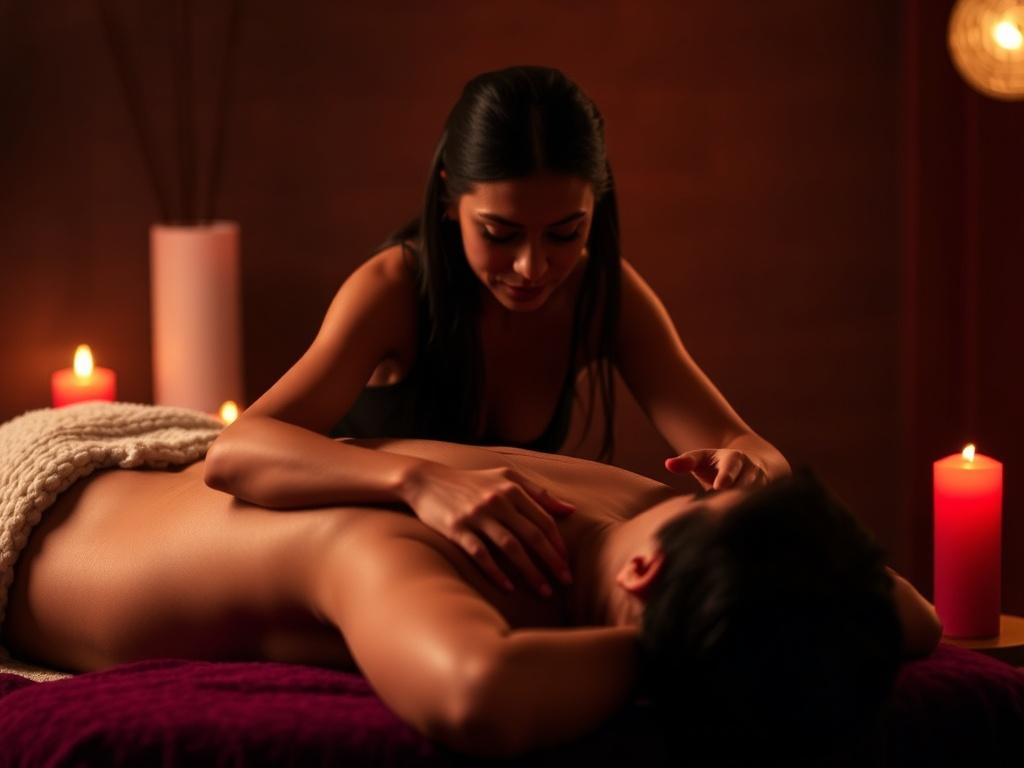
Not everyone is a good fit for nuru massage. People with open wounds, contagious skin conditions, or certain circulatory or cardiovascular issues should avoid this type of bodywork. Pregnant people should consult a healthcare provider before scheduling any massage involving prone or face-down positions or full-body pressure.
If you have any chronic medical condition, a recent injury, or are on medications that affect blood pressure or clotting, get medical advice first. When in doubt, prioritize safety and choose a gentler, more conventional therapeutic massage instead.
Legal and ethical considerations
Nuru massage exists in a legal gray area in many places because of its sensual nature. Laws vary widely by jurisdiction, and some areas restrict erotic massage or require specific licensing. Research local regulations and only use reputable providers who operate transparently and legally.
Ethically, professionalism matters. A trained practitioner maintains boundaries, obtains informed consent, and provides a safe environment. If a practitioner pressures you to go beyond agreed limits or behaves unprofessionally, leave the session and report the incident to the facility or appropriate authorities.
Conclusion
Nuru massage can be a rewarding and intimate form of bodywork when approached with clear consent, good hygiene, and mutual respect; learning the basics, preparing properly, and choosing a trustworthy practitioner are the best ways to ensure a safe, enjoyable experience.