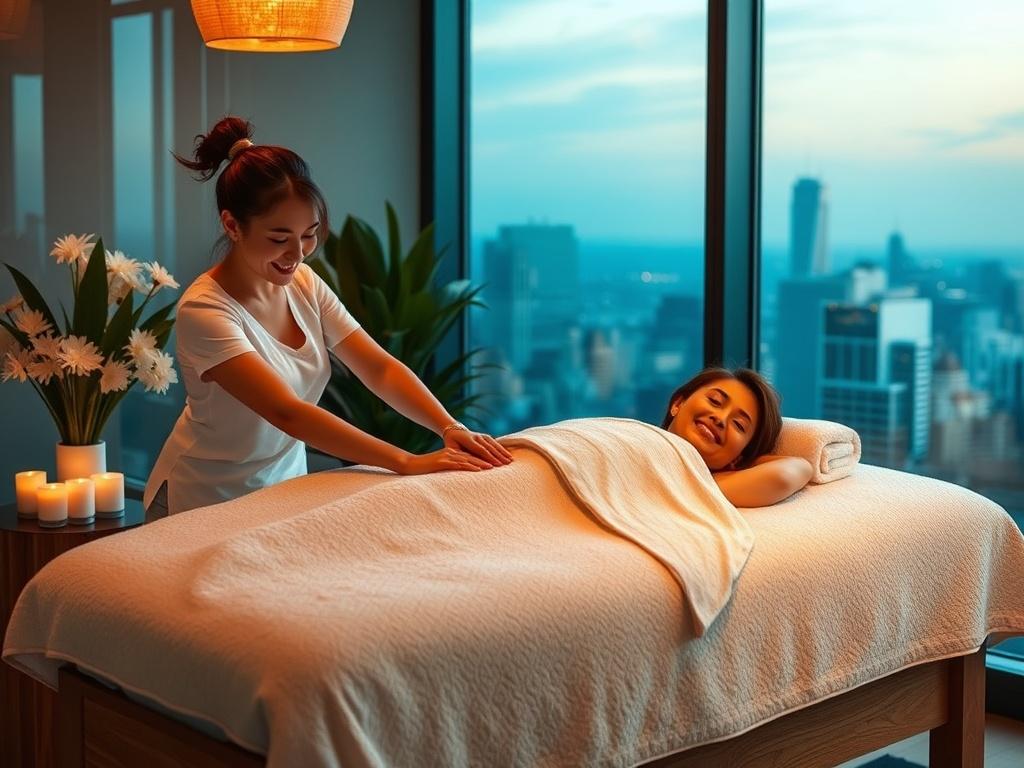

Searching for a relaxing massage in a busy neighborhood like Midtown can feel like trying to find a quiet bench in a crowded park: doable, but you need a sense of direction. Whether you’re on a tight schedule between meetings or treating yourself after a long trip, knowing how to pick a reputable spa and what to expect will make the experience smoother and more restorative.
This guide walks through practical steps—how to research providers, the types of legitimate treatments offered, how to communicate preferences and boundaries, and post-session care. It’s written to help you arrive informed, relaxed, and respected.
Why Choose a Licensed Massage Therapist?
Licensing matters. A licensed massage therapist has completed training that covers anatomy, contraindications, hygiene, and professional ethics. That foundation reduces the chance of injury and increases the likelihood of a treatment that meets your goals, whether deep-tissue relief or gentle relaxation.
Beyond safety, licensed professionals typically work in regulated settings. That means clearer policies on cancellations, payment, privacy, and what the session will include. When you choose a reputable facility, you protect both your physical well-being and your time.
Types of Legitimate Massages Available in Midtown
Spas and clinics in Midtown commonly offer a range of therapeutic and relaxation-focused sessions. Knowing the difference helps you book the right service for your needs.
Below is a compact table summarizing popular massage types, their primary purpose, and a typical session length. Use this as a quick reference when scanning menus or calling to book.
| Massage Type | Main Goal | Typical Duration |
| Swedish | Relaxation and general tension release | 30–90 minutes |
| Deep Tissue | Target chronic knots and tight muscles | 45–90 minutes |
| Sports | Support athletic recovery and performance | 30–90 minutes |
| Thai | Passive stretching and energetic balance | 60–120 minutes |
| Prenatal | Safe, supportive work for expectant mothers | 30–75 minutes |
Choosing the Right Type for You
If you’re unsure, call and describe what you want—relaxation, pain relief, help with mobility—and ask which modality best fits. A short pre-booking conversation can prevent mismatched expectations and help you get the outcome you want.
Keep in mind any medical conditions. High blood pressure, recent surgeries, or certain skin issues change what techniques are appropriate. Reputable clinics will ask about your health history before the session.
How to Research and Book a Spa or Clinic
Start local and narrow your choices by reviews, licensing, and transparency. Look for facilities that list their therapists’ credentials and describe services in clear, specific language.
When you call or book online, pay attention to how staff respond. Are they professional and informative? Do they ask about your health and goals? Clear communication is a good early sign that the establishment values safety and client comfort.
- Check licensing and certifications on the clinic’s website or local regulatory board.
- Read recent reviews, focusing on consistency rather than single extremes.
- Confirm prices, cancellation policies, and what the session includes.
- Ask whether therapists are employees or contractors—staff employment often indicates more oversight.
- Verify the clinic’s hygiene protocols and payment options.
Booking in advance is common in Midtown; popular times fill quickly. If you have special needs—such as prenatal care or accessibility requirements—mention them when you reserve the appointment so staff can prepare.
What to Ask Before Your Appointment
Short questions save time and reduce surprises. Ask whether linens and equipment are sanitized between clients, which techniques will be used, and if you’ll have a private room. These are standard queries and should be answered without hesitation.
Also ask about tipping practices and whether gratuities are included. That simple clarity avoids awkwardness at checkout.
Etiquette and Communication During Your Appointment
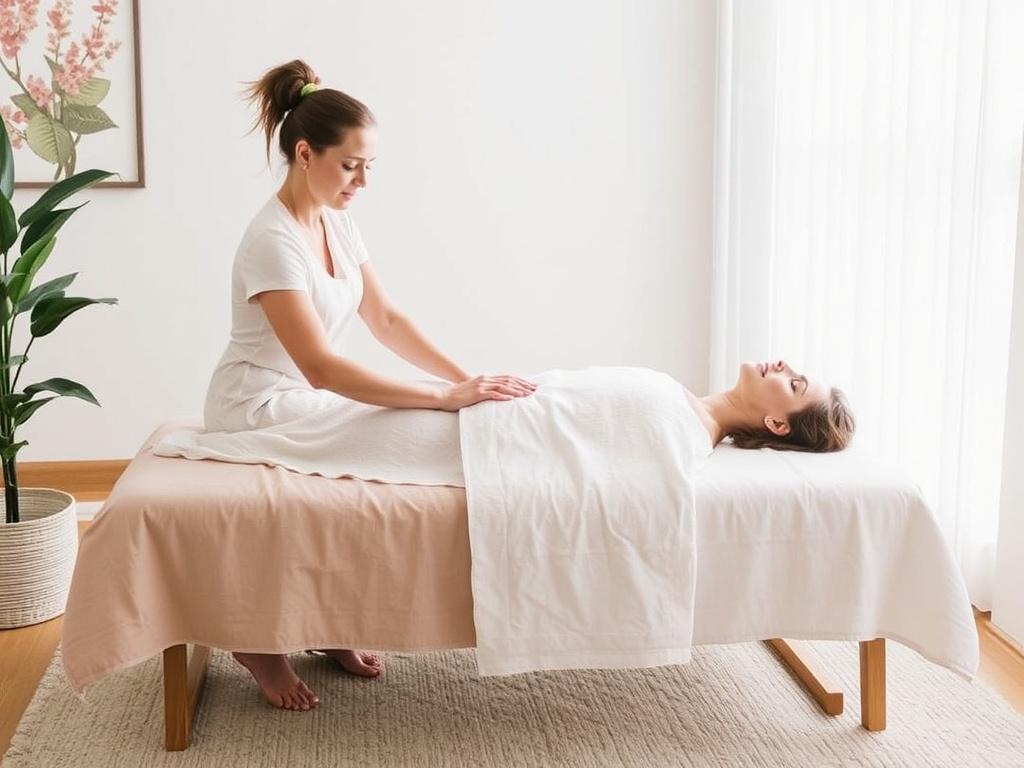
Good etiquette helps both you and your therapist get the most from the session. Therapists are trained to create a safe and comfortable environment; your role is to communicate honestly and respectfully.
Start by explaining any areas of pain, sensitivity, or previous injuries. Mention your pressure preference—lighter or firmer—and check in if you feel uncomfortable at any point. Consent and open dialogue are central to a professional massage.
- Arrive a few minutes early to complete intake forms without rushing.
- Wear what makes you comfortable; therapists will explain draping and privacy protocols.
- Use clear, calm language if you need the pressure adjusted or a pause.
- Avoid heavy colognes or perfumes to respect shared spaces and allergies.
- Turn off your phone or put it on silent to maintain a tranquil atmosphere.
Draping is standard practice: only the area being worked on is uncovered. If any request or behavior makes you uneasy, it’s acceptable to speak up or end the session. A professional clinic values your comfort and will support you.
Legal and Safety Considerations
Massage regulations vary by jurisdiction, so be aware of local rules. Licensed facilities must follow health and safety standards; anything that falls outside those norms is a red flag. If a business advertises services that appear illicit or that pressure you to engage in inappropriate conduct, steer clear.
If you ever feel unsafe or coerced, leave and report the incident to local authorities or the licensing board. Your well-being is more important than any appointment.
- Verify therapist licenses with state or city boards when possible.
- Keep records of receipts and communication in case follow-up is needed.
- Report suspicious or unlawful practices to local health departments or consumer protection agencies.
Insurance policies and workplace standards are another layer of safety. Some clinics carry liability insurance and have clear complaint procedures; that indicates accountability and professionalism.
Alternatives for Relaxation and Self-Care
If you’re looking for relaxation but prefer to avoid in-person services, plenty of options can help you unwind. Self-massage tools, guided breathing, and stretching routines can be effective between sessions.
Consider alternatives that support long-term well-being: regular stretching, ergonomic adjustments at work, short mobility breaks, and using foam rollers or massage balls. These practices complement professional therapy and can reduce the need for frequent sessions.
- Guided meditation apps for stress reduction
- Rolling and mobility exercises for muscle maintenance
- Heat therapy and Epsom salt baths for soothing sore muscles
- Short workplace microbreaks to prevent stiffness
Combining professional care with daily self-care creates a stronger foundation for reduced pain and better stress management. Think of massage as one part of a broader routine, not a cure-all.
Step-by-Step Guide to a Respectful Massage Visit

This straightforward sequence helps you move through the experience calmly, ensuring clarity and comfort at each stage. Follow these steps whether you’re a first-timer or a seasoned client.
Arrive early, check in, and provide a brief health history. You’ll complete intake forms and may have a short discussion about goals for the session. This conversation sets boundaries and lets the therapist tailor the treatment.
- Arrival and Intake: Give yourself time to settle. Fill out any required forms and mention medications, recent injuries, or areas to avoid.
- Pre-Session Discussion: Tell the therapist whether you want relaxation or therapeutic work and your pressure preference.
- Draping and Privacy: The therapist will explain draping. Remove clothing as you feel comfortable; professional draping preserves dignity and warmth.
- During the Massage: Breathe and relax. Give feedback if pressure is uncomfortable or if you need the therapist to stop.
- Aftercare: Allow a few minutes to sit up slowly, rehydrate, and ask for post-session advice or stretches to continue benefits at home.
- Payment and Feedback: Settle payment, tip if appropriate, and share any feedback—positive or constructive—so the clinic can improve services.
Following this simple roadmap helps the session flow naturally and respectfully. A good therapist appreciates clear guidance and will respond to adjustments with professionalism.
Conclusion
Finding a reputable massage in Midtown is about asking the right questions, choosing licensed professionals, and communicating your needs clearly; when those pieces fall into place you get rest, relief, and a professional experience you can return to with confidence.