
Body rub is a simple phrase for something many people seek: the restorative, human art of touch. Whether it’s a brief shoulder release after a long day or a longer session aimed at easing chronic tension, a thoughtful body rub can shift the body’s state, ease pain, and quiet the mind. This guide looks at what a body rub is, how to prepare for one, which techniques to use, and how to do a safe, effective rub at home.
This article treats body rubs as therapeutic, non-sexual practices intended to support wellbeing. I’ll offer clear, practical steps and useful distinctions so you can choose a style that fits your needs—relaxation, pain relief, mobility, or a mix. Expect hands-on tips, a comparison table to simplify choices, and easy-to-follow sequences you can try right away.
Read on with an open mind and a bit of curiosity. A good body rub is part skill, part intuition; learning the basics gives you permission to listen to what your body (or your partner’s body) is telling you.
What is a Body Rub?
At its core, a body rub is the application of manual pressure and movement to soft tissues: skin, muscles, tendons, and fascia. Techniques range from long, gliding strokes to targeted compressions. Massage therapists often use oils or lotions to reduce friction and increase comfort, but a meaningful rub can be done without any product at all, using steady, mindful hands.
Body rubs affect the nervous system as much as the musculoskeletal system. Gentle strokes can activate the parasympathetic nervous system, lowering heart rate and easing stress hormones. Firmer work may stimulate circulation and break up localized tension. The method you choose sets the tone—calming, invigorating, or therapeutic.
Benefits of Body Rubs
A properly delivered body rub produces several measurable and subjective benefits. People report less pain, improved sleep, reduced anxiety, and a clearer sense of body awareness. Clinically, massage has been shown to reduce back pain, relieve headaches for some, and temporarily improve range of motion.
Because benefits depend on technique and intention, being intentional about the outcome matters. Below is a concise list highlighting common advantages so you can match expectations to the approach.
- Reduces muscle tension and eases soreness
- Improves local blood flow and lymphatic circulation
- Promotes relaxation and reduces stress
- Enhances mobility and flexibility when combined with movement
- Provides a safe way to check for unusual lumps or skin changes
Popular Techniques and When to Use Them
Different styles of body rub serve different goals. Some are best for full relaxation, others for breaking through tightness. It helps to know the broad families of techniques so you can choose the right one for the situation.
Below are three common approaches—each described with when it’s most useful and what sensations to expect. Treat them as starting points; many therapists combine elements depending on the client’s needs.
Swedish (Effleurage and Petrissage)
Swedish technique uses long, gliding strokes (effleurage), kneading (petrissage), and lighter tapping to promote relaxation and circulation. Pressure is variable and generally moderate, making it a great choice for stress relief, first-time recipients, or after intense workouts to encourage recovery.
Expect broad, rhythmic movements that soothe the nervous system. This method is often taught to beginners because the movements are intuitive and safe when performed with mindful pressure.
Deep Tissue
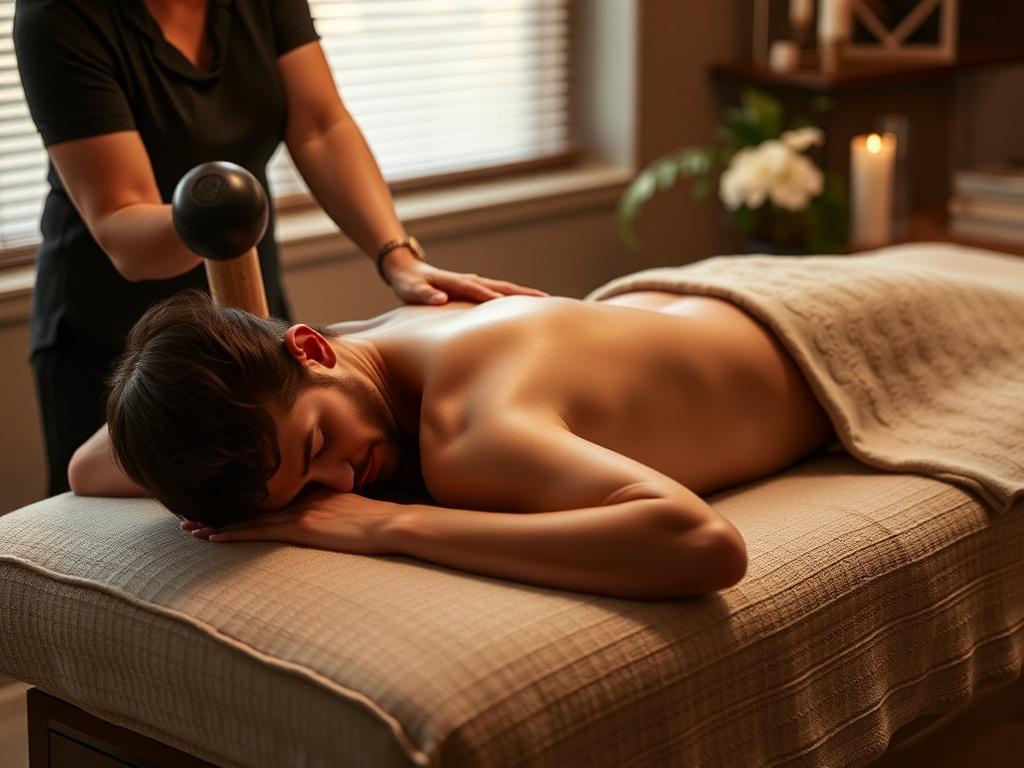
Deep tissue work targets deeper muscle layers and connective tissue to release chronic patterns of tension. The strokes are slower and pressure is firmer. This style is ideal for persistent tightness, postural patterns, or after an injury once acute inflammation has settled.
Deep tissue can feel intense, sometimes uncomfortable in the moment, but many find lasting relief afterwards. Communication about pain thresholds is crucial—discernment prevents harm.
Myofascial and Trigger Point Techniques
These approaches focus on the fascia (the connective tissue web) and specific tight nodules called trigger points. Techniques use sustained pressure and gentle stretching to restore mobility and reduce referred pain.
Myofascial work is often slower and more focused; you may hold pressure in one spot for a minute or more. It’s especially useful for mobility restrictions, headaches anchored to neck tension, and postural complaints.
Comparing Techniques at a Glance
When deciding which style to use or ask for, a quick comparison helps. The table below summarizes purpose, pressure level, and typical session length so you can match your needs to a method.
| Technique | Main Purpose | Typical Pressure | Recommended Duration |
| Swedish | Relaxation and circulation | Light to moderate | 30–90 minutes |
| Deep Tissue | Chronic muscle tension | Moderate to firm | 30–90 minutes |
| Myofascial/Trigger Point | Mobility and pain referral | Gentle to firm (focused) | 30–60 minutes |
Use the table as a quick checklist rather than a strict rulebook. Many sessions blend elements: an initial calming phase followed by focused work often yields the best results.
Preparing for a Body Rub
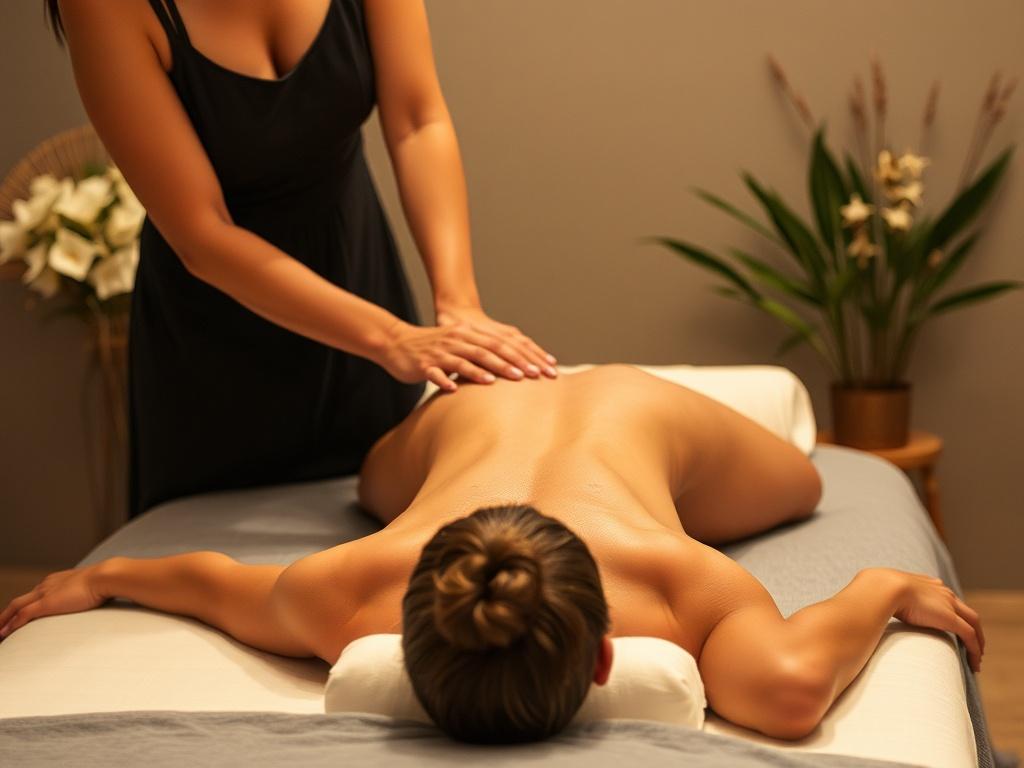
Preparation improves comfort and outcomes. A calm environment, clean linens, moderate room temperature, and the right amount of privacy all help the recipient relax and receive benefits more fully. Hydration matters too—drinking water before and after assists circulation and metabolic clearance.
If you’re giving a rub to someone else, set boundaries and expectations first. Ask about injuries, allergies (to oils or lotions), and what pressure feels good. A brief verbal check reduces surprises and builds trust.
- Set a quiet, comfortable space with soft lighting
- Choose an unscented or mildly scented oil if allergies are unknown
- Confirm medical history: recent surgeries, deep vein thrombosis, skin conditions
- Agree on a safe word or signal for pressure adjustments
- Have towels on hand for modesty and warmth
Step-by-Step: A Simple Full-Body Rub You Can Do at Home
This sequence is designed for a non-professional partner or friend. Use moderate pressure and move slowly. Focus on steady breath and communication. A short session of 20–30 minutes can be remarkably effective.
Below is an ordered guide to keep you on track. Pause between steps to ask how the recipient feels and adjust. Comfort is the goal; there’s no benefit to forcing pressure or speed.
- Warm your hands and apply a small amount of oil to palms.
- Begin with broad strokes along the back to invite relaxation: long, even effleurage from lower back up to shoulders and down again.
- Use both hands to perform gentle kneading on the shoulders and base of the neck, keeping thumbs free to comfortably follow the spine’s musculature.
- Work each limb with long strokes toward the heart to encourage venous return, then finish with light squeezes and releases along the muscle belly.
- Turn the recipient gently and repeat calming strokes on the front body if appropriate; avoid direct pressure on the abdomen if there are sensitivities.
- End with several minutes of long, feathering strokes to signal closure and help the nervous system settle.
Safety, Boundaries, and When to Avoid a Body Rub
Touch is powerful and requires respect. Never rub directly over inflamed skin, open wounds, or areas with infections. People with certain medical conditions—new fractures, untreated deep vein thrombosis, or uncontrolled hypertension—should consult a healthcare provider before receiving a rub.
Consent and clear boundaries are non-negotiable. If someone feels sharp pain, numbness, or lightheadedness during a session, stop and reassess. Good communication prevents harm and builds confidence in touch as a healing tool.
- Do not massage areas with recent burns, open wounds, or severe swelling
- Avoid strong pressure near varicose veins or after recent surgeries
- When in doubt, refer the person to a qualified healthcare professional
- Always maintain privacy and respect for personal boundaries
Aftercare and Keeping the Benefits
Aftercare helps extend the effects of a rub. Encourage gentle movement, hydration, and restful sleep. A few simple stretches or a brief walk after a session can prevent stiffness from returning. Applying heat to a particularly tight area can also offer ongoing relief.
Frequent short sessions often outperform rare, long treatments. Incorporating regular body rubs into a wellness routine—weekly or biweekly—keeps tissues responsive and reduces the buildup of tension. Track how you feel over time and tweak frequency and technique to match changing needs.
- Drink water to support circulation and recovery
- Rest quietly for a few minutes before resuming activities
- Use gentle stretching to maintain increased mobility
- Note any areas that need follow-up or professional attention
Conclusion
A thoughtful body rub is an accessible, humane way to reduce tension, support recovery, and reconnect with the body; with gentle preparation, clear boundaries, and simple techniques, most people can benefit from regular, mindful touch.