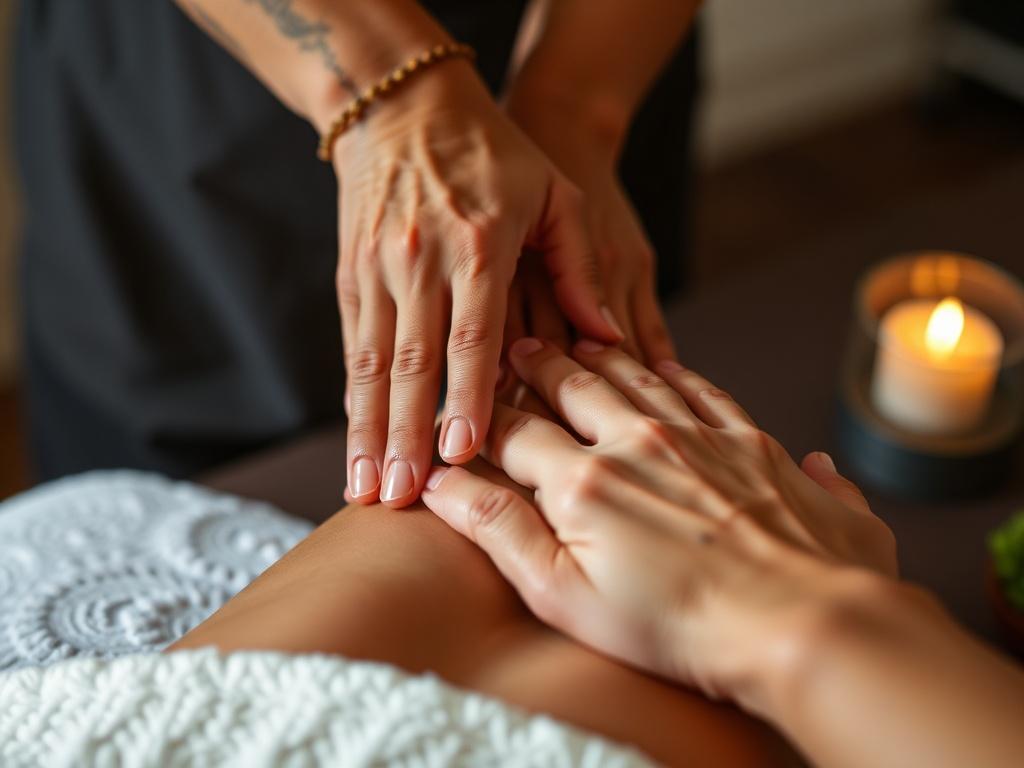

Imagine two therapists moving in sync over your body, hands overlapping and switching rhythm so your nervous system can’t predict the next touch. That’s the brief, vivid promise of a 4-hands massage — a treatment designed to deepen relaxation and create a sense of being fully supported.
In the following pages I’ll walk you through what a four-hand session actually feels like, why people seek it out, how therapists coordinate, and practical tips for choosing a practitioner. Whether you’re curious or preparing for your first appointment, this is a step-by-step guide to make the experience clearer and less mysterious.
What is a 4-Hands Massage?
A 4-hands massage is a single treatment delivered by two therapists working simultaneously on one client. They may perform the same strokes at the same time on opposite sides of the body, or they might alternate complementary techniques to create a continuous flow of touch.
This approach amplifies common massage goals — tension relief, improved circulation, and mental relaxation — by introducing layered sensory input. The overlapping hands can create sensations that feel richer and more enveloping than a typical solo treatment.
How It Works: The Rhythm of Two Therapists
Coordination is the art at the center of four-hand work. Therapists synchronize timing, pressure, and direction so their hands feel like parts of a single, intentional flow. This requires clear communication before and during the session, and often a practiced sense of rhythm.
Some teams rehearse a set sequence; others improvise, responding to the client’s breath and muscle tone. When therapists are in tune, the result can feel seamless. If they’re not aligned, however, the experience can feel chaotic rather than calming, which is why reputable spas match experienced pairs.
Beyond physical technique, four-hand treatments play with perception. Because two sets of hands stimulate different areas simultaneously, the brain receives complex signals that can override habitual tension patterns and encourage a deeper release.
Techniques Used in Four-Hand Treatments
Four-hand sessions borrow from many massage traditions. You might find Swedish strokes, deep tissue work, trigger point release, or even elements of Hawaiian lomi lomi or Thai rhythm woven into the session.
Therapists choose techniques based on your needs: some sessions emphasize gentle, synchronized strokes for relaxation, while others deliver targeted work to stubborn knots with alternating focus.
- Swedish-style long strokes for overall relaxation
- Cross-fiber and friction work for localized tension
- Rhythmic, flowing strokes to promote meditative states
- Light-energy touch for nervous system calming
Benefits of a 4-Hands Session
People report a range of positive effects from four-hand massages. The most common are enhanced relaxation, faster reduction of muscular tension, and a heightened sense of being cocooned. The simultaneous stimulation can also speed up myofascial release and improve circulation more efficiently than a single therapist might.
Emotionally, many clients describe the experience as profoundly calming or even euphoric. The novelty of two synchronized sets of hands can interrupt mental chatter and give the nervous system permission to drop into deeper rest.
- Deeper relaxation and stress reduction
- Efficient release of muscle tightness
- Improved circulation and lymphatic flow
- A heightened sense of presence and reduced anxiety
Who Should Try It — and Who Should Avoid It
Four-hand work suits anyone seeking an intense relaxation session or faster relief from chronic tension. It’s especially popular with people who appreciate sensory richness and those who have tried single-therapist massages and want a different experience.
However, it’s not for everyone. People with certain medical conditions, high sensitivity to touch, or a strong aversion to intense sensory input should either skip it or discuss modifications. If you have deep vein thrombosis, severe osteoporosis, uncontrolled high blood pressure, or are pregnant in the first trimester, check with a healthcare provider first.
- Good candidates: people with generalized tension, stress, or insomnia
- Use caution: those with sensory processing issues or recent surgeries
- Consult a doctor: clients with serious cardiovascular or clotting disorders
What to Expect During a Session
Before your session starts, you’ll have a brief consultation. The therapists will ask about your health history, areas of pain, and pressure preferences. They’ll explain how the session will flow and whether they will work in mirrored or alternating patterns.
During the treatment you’ll lie on a standard massage table. The therapists may enter the room together and begin on different sides of the table, or one may start while the other joins. Communication is important — say if pressure is too much or if you prefer one therapist to focus more on a particular spot.
- Consultation: discuss goals and health background.
- Comfort setup: adjust temperature, bolsters, and music.
- Initial warm-up: synchronized long strokes to establish rhythm.
- Targeted work: alternating focus on problem areas.
- Finish: calming, unified strokes and time to rest before rising.
Comparing Single-Therapist and Four-Hand Massage
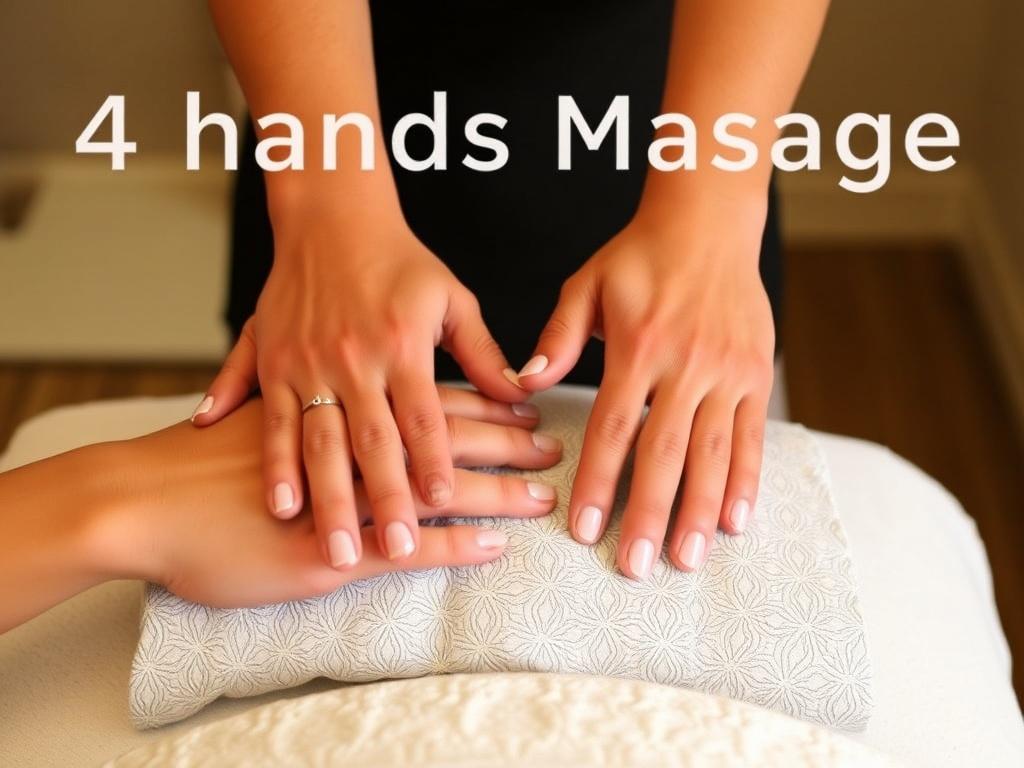
Both single-therapist and four-hand treatments have clear benefits. A solo therapist may provide greater precision for focused problem-solving, while dual therapists offer breadth and a unique sensory layering effect that can accelerate general relaxation.
Choosing between them depends on your goals: choose a single therapist for focused therapeutic work and a four-hand session when you want deep, immersive relaxation or a refreshing variation on standard treatments.
| Feature | Single-Therapist | Four-Hands |
| Precision on problem areas | High | Moderate to High |
| Overall relaxation depth | Moderate | High |
| Sensory richness | Standard | Enhanced |
| Cost | Standard | Higher (two therapists) |
How to Choose Practitioners and Prepare
Look for spas or clinics that specifically advertise experienced four-hand teams. Ask about how long the pair has worked together; familiarity between therapists improves synchronization and overall flow.
Prepare by hydrating well the day of the appointment and avoiding heavy meals right before the session. Wear comfortable clothing to and from the spa, and plan for a relaxed pace afterward so you can savor the aftereffects.
- Verify therapist experience and teamwork
- Ask about session structure and pressure options
- Plan quiet downtime after the treatment
Aftercare and How Often to Go
After a four-hand massage you may feel deeply relaxed, a little lightheaded, or pleasantly tired. Drink water to help flush metabolic byproducts and give yourself at least an hour of calm activities — reading, gentle stretching, or a warm bath are good choices.
Frequency depends on your goals and budget. For maintenance and stress relief, monthly sessions are common. If you’re working on chronic tension or acute stress, a short course of treatments spaced one to two weeks apart may be more effective.
- Hydrate and rest after the session
- Avoid intense exercise for 24 hours
- Note changes in pain or mobility and adjust frequency accordingly
Conclusion
A 4-hands massage is a rich, immersive therapy that pairs two therapists to deliver synchronized or complementary touch, offering deeper relaxation and a unique sensory experience; choose experienced practitioners, prepare by hydrating and planning downtime, and consider it when you want an elevated route to stress relief rather than precise, single-therapist remediation.