
“Body rub” can mean different things to different people. In Jersey City, most people looking for a body rub are seeking a therapeutic massage: professional touch that eases muscle tension, reduces stress, and helps the body recover. This guide walks you through the process from deciding what you need to selecting a reputable provider, booking, what happens during a session, and how to care for yourself afterward.
If you’re new to professional massage or returning after a long break, this article will help you approach the experience with clarity and confidence. You’ll learn practical steps, safety checks, and useful etiquette so the focus stays on healing and relaxation.
What “Body Rub” Means in Jersey City
The phrase “body rub” is sometimes used informally to describe a wide range of services, so the first step is clarifying what you want. In most licensed settings it refers to therapeutic massage provided by a licensed massage therapist (LMT). These are trained professionals who use techniques like effleurage, kneading, and trigger-point work to address pain, stiffness, and tension.
It’s important to distinguish therapeutic massage from other services that may be illegal or exploitative. Look for state licensure, clean facilities, and clear boundaries about draping and client consent. When in doubt, ask directly about credentials and the scope of services offered.
Step 1: Decide What You Need
Start by identifying your goal. Are you chasing general relaxation after a long week, treating a specific injury, or looking for sports recovery? The answer will guide your choice of technique, session length, and practitioner.
Some common massage goals include pain relief, improved mobility, stress reduction, and post-workout recovery. Be honest with yourself about pain tolerance and medical history so you pick the right modality and communicate clearly with the therapist.
Common Massage Types at a Glance
Here’s a quick comparison to help you pick a style. Use this as a starting point when you call or book online.
| Type | Pressure | Best For | Typical Session Length | Typical Price Range (Jersey City) |
|---|---|---|---|---|
| Swedish | Light to moderate | Relaxation, stress relief | 30–90 minutes | $60–$120 |
| Deep Tissue | Moderate to firm | Chronic muscle tension, knots | 60–90 minutes | $80–$140 |
| Sports | Variable, focused | Athletic recovery, pre/post-event | 30–90 minutes | $70–$150 |
| Hot Stone | Light to moderate | Deep relaxation, tight muscles | 60–90 minutes | $90–$160 |
| Medical/Clinical | Targeted, therapist-guided | Injury rehab, chronic conditions | 30–60 minutes | $75–$150 |
Step 2: Research Licensed Providers
Reputation and credentials matter. A licensed massage therapist in New Jersey has completed required training and passed state-regulated exams. This reduces your risk and improves the quality of care.
Start with local searches and directory sites, then verify licensing. Many therapists list their state license number on their website or profile. If you don’t see it, ask. A legitimate provider will be transparent about training, certifications, and insurance.
Checklist: What to Verify Before Booking
- State licensure and certification.
- Clear business address and contact information.
- Professional reviews on multiple platforms.
- Written policies on cancellation, payment, and privacy.
- Specialties relevant to your needs (e.g., prenatal, post-op, sports).
Step 3: Inspect Location and Amenities

The facility itself says a lot about professionalism. Clean treatment rooms, fresh linens, and a calm waiting area indicate good hygiene and standards. You don’t need a luxury spa to get excellent care, but you do want a place that feels safe and comfortable.
Accessibility is practical too—consider parking, public transit options, elevator access, and whether the space accommodates mobility limitations if needed. If you have allergies or sensitivities, ask about scents and products used during the session.
Red Flags to Watch For
- No visible license or refusal to provide credentials.
- Failure to explain draping or session boundaries.
- Unclear pricing or pressure to add extra services.
- Explicit or sexual language in marketing or conversations.
- Unclean or poorly lit treatment spaces.
Step 4: Booking and Communicating Your Needs
When you call or book online, be explicit about your goals, any medical conditions, and areas to avoid. Mention surgeries, recent injuries, blood pressure issues, or pregnancy. Good therapists will ask the same questions and tailor the session accordingly.
Discuss pressure preferences and whether you want a focused treatment or full-body session. If you’re nervous about anything—draping, undressing, modesty—say so. Professional therapists respect boundaries and explain draping protocols before starting.
Step 5: What to Expect During the Session
Plan to arrive 10–15 minutes early to fill out any necessary paperwork and discuss concerns. The therapist will usually begin with a consultation to confirm goals and contraindications. Draping—covering the body with a sheet or towel except for the area being worked on—is standard practice for privacy and comfort.
During the massage, communicate openly. If pressure is too light or too intense, say so. Professional therapists are responsive and will adjust techniques. Sessions typically end with brief aftercare instructions such as stretches or hydration tips.
Step 6: Aftercare and Follow-Up
After a deep or therapeutic session you may feel sore for 24–48 hours; this is normal and often resolves with light movement and hydration. Drink water, avoid heavy exercise immediately after, and use heat or ice as recommended by your therapist.
Consider scheduling follow-up appointments if you’re addressing chronic issues. Regular sessions, tailored stretching, and ergonomic changes at work can extend the benefits of a single treatment into long-term improvement.
Pricing, Payment, and Tipping
Prices in Jersey City vary by location, therapist experience, and treatment length. Expect basic rates similar to the table above. Specialized clinical massage or a senior practitioner often cost more. Many places offer package discounts for multiple sessions.
Most providers accept cash, credit cards, and common e-payments. Tipping is customary for good service—around 15–20% is typical, but use your judgment. If you’re unsure, ask the front desk about their tipping policy.
Legal and Safety Considerations
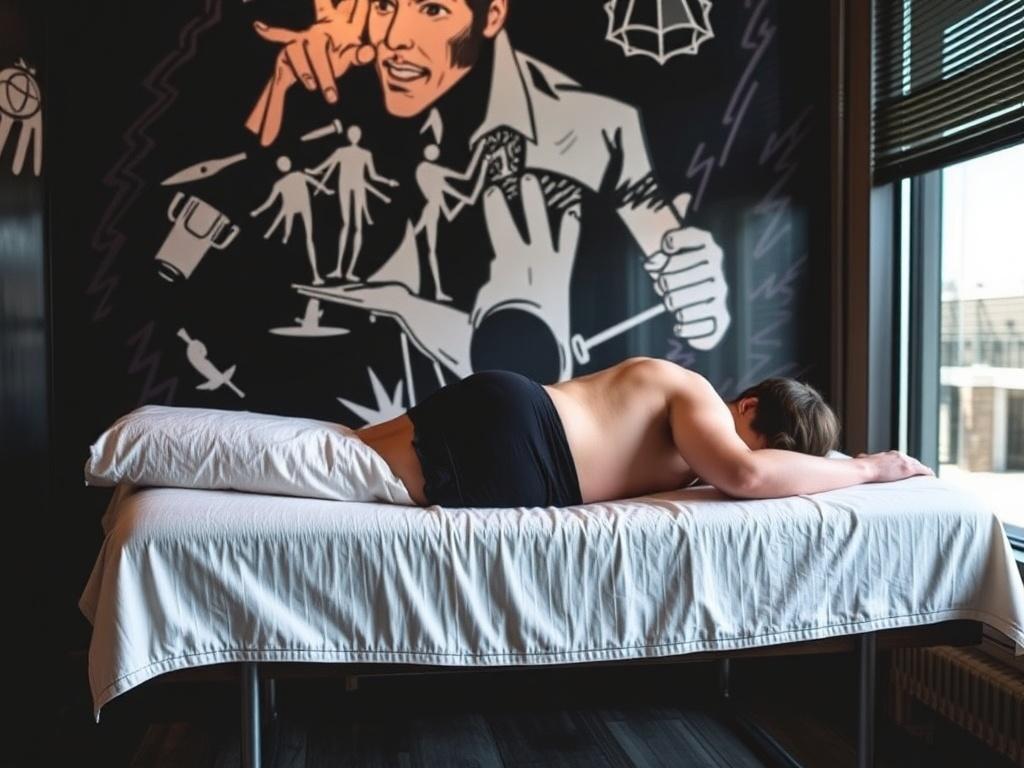
Massage therapy is regulated. In New Jersey, state licensing and local business permits are required for legitimate therapy clinics. If a business offers sexual services or makes suggestive claims, that’s a legal and ethical red flag and should be avoided or reported.
If you experience unwanted behavior during a session, stop the treatment immediately, ask for your belongings, and leave. You can file a complaint with the New Jersey Board of Massage and Bodywork Therapy or local authorities if necessary. Your safety and consent are paramount.
Where to Look and How to Choose in Jersey City
Search strategies produce the best results when combined. Use online directories, neighborhood Facebook groups, or ask your primary care doctor for a referral. Local fitness centers, chiropractic offices, and hospitals often have lists of trusted therapists.
Try a nearby clinic for your first session to test the therapist’s style. If you click with a practitioner, build a relationship—consistency leads to better results because the therapist learns your specific patterns and needs over time.
Quick Resources and Search Tips
- Check state licensing board online to verify credentials.
- Read multiple reviews rather than basing decisions on one or two.
- Ask about therapist specialties—some focus on prenatal, geriatric, or sports work.
- Look for clinics with clear policies and professional websites.
- Consider mobile therapists for convenience, but verify liability insurance and licensure.
Conclusion
Finding a reputable body rub in Jersey City is about clear goals, careful research, and open communication: decide what you want, verify credentials, inspect the facility, be honest about your health, and speak up during the session—then enjoy the benefits of professional touch with confidence.