
Walk into an upscale spa and you immediately notice the little things: a subtle scent that isn’t overpowering, soft lighting that flatters rather than shadows, and a receptionist who seems to remember your name. An upscale bodyrub is more than technique; it’s an encounter designed to feel intentional, considered and quietly restorative. This guide will explain what makes a luxury session different, how to choose a reputable provider, and practical tips to help you relax and get the most from your time on the table.
Whether you are a curious newcomer or someone who already appreciates quality touch, the pages that follow break the experience down step by step. Expect useful checklists, a comparison table of common techniques, and clear advice on etiquette, safety and aftercare. Luxury doesn’t mean unnecessary fuss—it means better-trained therapists, higher standards of hygiene, and an environment built around calm and privacy.
What Is an Upscale Bodyrub?
At its simplest, a bodyrub is a full- or partial-body therapeutic touch intended to relieve tension and promote relaxation. When labeled “upscale,” the term points to several elevated features: skilled, licensed therapists; premium oils and linens; a curated atmosphere; and a focus on the whole sensory experience. The goal is an experience that addresses physical discomfort while also signaling care and professionalism.
Upscale sessions often include a brief intake or wellness consultation, personalized pressure and techniques, and attention to small comforts—warm towels, heated tables, even a quiet place to rehydrate afterward. You pay more not for showy extras but for an environment where every detail supports comfort, safety and a high-quality outcome.
Choosing the Right Place
Selecting a spa or studio matters more than the first glance may suggest. Look for clear licensing information and therapists who list qualifications or professional associations. A reputable business will display its policies on hygiene, cancellations and boundaries, and staff should be able to explain their approach to care in plain language.
Reviews and word-of-mouth remain useful but go deeper than star ratings. Photos tell you something about cleanliness and ambiance, while responses from management to complaints reveal professionalism. If a place refuses to answer basic questions about credentials, treatment scope, or what to expect during a session, consider that a warning sign.
Location and physical layout also influence the experience. Private rooms, well-maintained towels and accessible bathrooms enhance comfort. Pay attention to how staff handle bookings: a smooth, respectful system for arrival times and intake forms is part of the upscale standard.
Red Flags and Questions to Ask
Some warning signs merit immediate attention: unclear pricing, inconsistent staff credentials, or evasive answers about what the session includes. If the atmosphere feels rushed or if staff push add-ons or upgrades aggressively, pause and reassess. Trust your instincts—if something feels off, it probably is.
Before booking, ask these direct questions: Are your therapists licensed? What tissues and pressures do you specialize in? How do you manage privacy and draping? What are your sanitation protocols? Clear, concrete answers indicate competence and respect for client safety.
What to Expect During Your Session
The experience usually begins with a short consultation where you discuss concerns, medical history and preferences. Therapists appreciate honesty—mention recent injuries, medication, or areas to avoid. This conversation shapes a tailored session rather than a one-size-fits-all routine.
After you undress to your comfort level, you’ll be covered with a sheet or towel; only the area being worked on is exposed. Draping and consent are standard practices in legitimate spas. Communication continues through the session: therapists should check pressure and comfort, and you are encouraged to speak up if anything feels too firm, too light, or otherwise uncomfortable.
When the session ends, expect a few minutes to reorient, dress, and get a glass of water. Upscale spaces often provide a quiet recovery area; use it to extend the calm rather than leaping back into an immediate return to a noisy schedule.
Common Techniques Used in Luxury Sessions
Upscale bodyrubs draw on a range of modalities to suit different goals—relaxation, pain relief, circulation, or stress reduction. Therapists often blend methods, shifting rhythm and pressure to respond to tissue feedback. Below is a brief comparison of several popular techniques you might encounter.
| Technique | Focus | Typical Duration | Sensory Experience |
| Swedish | Overall relaxation, circulation | 60–90 minutes | Gentle, flowing strokes; soothing rhythm |
| Deep Tissue | Chronic tension, muscle knots | 60–90 minutes | Firmer, targeted pressure; can be intense |
| Aromatherapy | Relaxation, mood-enhancement | 60–90 minutes | Subtle fragrance layered with gentle strokes |
| Hot Stone | Muscle warmth, deeper relaxation | 75–90 minutes | Warmth from stones combined with massage strokes |
| Lymphatic Drainage | Fluid movement, gentle detox support | 45–75 minutes | Light, rhythmic strokes; gentle and calming |
Good therapists will explain which techniques they think suit your needs and why. Don’t hesitate to request a mix—for example, a Swedish warm-up followed by deeper work on specific areas.
Benefits of Upscale Bodyrubs
Physical benefits include reduced muscle tension, improved blood flow, and often better range of motion. Regular sessions can help manage chronic pain, prevent tension build-up, and support recovery from overuse injuries when combined with proper exercise and medical care.
Mental and emotional benefits are equally valuable. Slowing down in a calm environment reduces cortisol and can deepen sleep quality. Many clients report an immediate lifting of low-level anxiety and a clearer capacity to focus after a session. Those effects compound when sessions are consistent rather than one-off splurges.
Etiquette, Boundaries, and Safety
Clear boundaries keep the experience professional. Therapists are there to provide therapeutic touch—anything outside of that scope is inappropriate in licensed settings. Draping, informed consent, and a clear explanation of what the session will include protect both client and practitioner.
Bring up any concerns before the therapist begins. If a touch feels sexualized or if your consent is not respected, end the session and report the incident to management and, if necessary, licensure boards or local authorities. Safety includes hygiene: clean linens, handwashing and sanitized tools are non-negotiable in an upscale facility.
Preparing, Booking, and Practical Tips
Preparing well enhances the session. Arrive a few minutes early to complete intake forms and settle in. Avoid heavy meals and limit alcohol before your appointment; that helps you stay present and responsive to pressure. Wear comfortable clothes you can change quickly.
- Confirm the therapist’s credentials and the studio’s policies when you book.
- Note your medical history—major surgeries, blood-thinning medications, or recent injuries.
- Communicate pressure preferences and any areas to avoid at the start.
- Allow time afterward to rehydrate and rest for a few minutes.
Bring nothing special—most spas provide everything you need—but consider bringing a list of medications or a short note on past injuries. Avoid wearing strong fragrances; upscale environments favor subtlety and sensitivity to chemical sensitivities.
Costs, Tipping, and Value
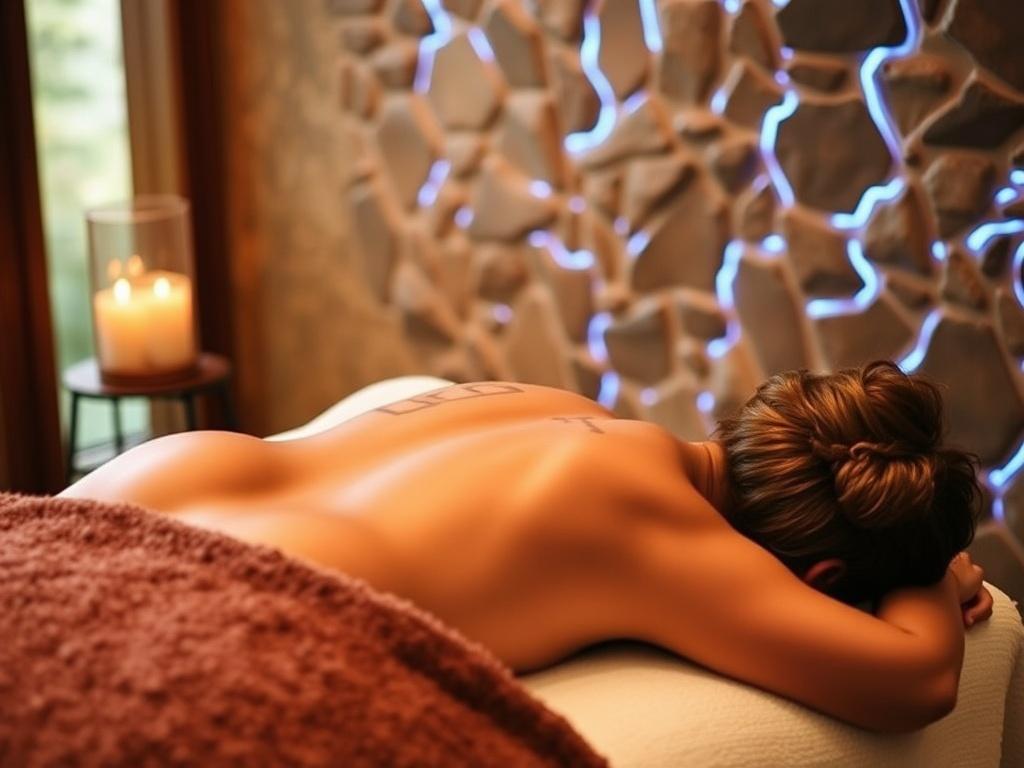
Prices vary widely by city and the spa’s positioning. Expect higher fees for longer sessions, senior therapists with specialized training, or treatments that include premium products. Upscale does not always mean exorbitant; it means paying for consistency, training and an environment that protects your relaxation and privacy.
- Ask about the full cost at booking, including any taxes or service fees.
- Tipping customs depend on location; a common guideline is 15–25% for excellent service.
- Consider packages or memberships if you plan regular visits—these often lower per-session cost and encourage continuity with one therapist.
Getting the Most Out of Your Session
Be present. Put your phone away, breathe intentionally and let the therapist lead the rhythm. Provide feedback during the session about pressure and comfort. Small words—“a little firmer,” “softer on the left”—make a big difference.
Aftercare matters. Drink water to help flush metabolic byproducts mobilized during deep tissue work. Gentle stretching and avoiding heavy exercise the same day when deep pressure was used will prolong benefits. If soreness follows an intense session, warm baths and light movement usually soothe it.
Finally, treat an upscale bodyrub as an investment in your wellbeing. Like a good haircut or a well-made shoe, the value accumulates when the service aligns with your needs and you return to the same trusted provider over time.
Conclusion
An upscale bodyrub blends skilled technique with an environment engineered for calm, privacy and safety; with straightforward preparation, clear communication and an eye for credentials, you can turn a single session into a meaningful tool for physical relief and emotional replenishment.