

Manhattan buzzes at every hour, and a simple body rub can be the pause button someone needs. Whether you’re a visitor with sore legs after a long flight or a local chasing relief from a desk-bound routine, knowing how to find a reputable, professional session matters.
This guide walks through what people commonly mean by “body rub” in New York, the types of therapeutic bodywork on offer, how to pick a trustworthy provider, what to expect during a visit, and sensible safety and etiquette tips. I’ll keep it practical and local—no hype, just the useful facts and steps you can follow.
What people mean by «body rub» in Manhattan
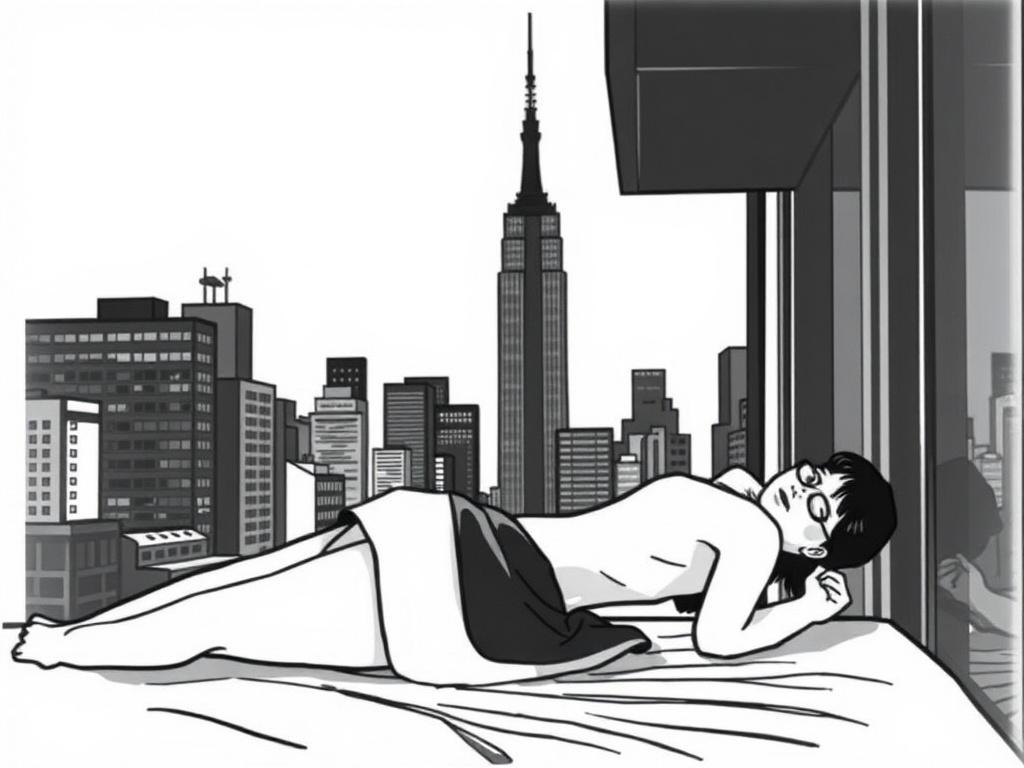
The phrase “body rub” gets used in different ways. For many, it’s a casual term for massage and therapeutic touch: Swedish massage, deep tissue work, reflexology, and other legitimate bodywork modalities. In Manhattan’s dense service scene, the phrase can therefore refer to anything from a medically oriented session to a relaxation-focused treatment.
Because the term has varied meanings, it’s worth clarifying your expectations when you book. Good providers will list the specific modality, the practitioner’s credentials, and exactly what the session includes. That clarity protects both your comfort and your experience.
Types of therapeutic bodywork you’ll find
Manhattan offers a wide range of bodywork styles. Some are aimed at relaxation and stress relief, others at addressing chronic pain or sports-related strain. Most reputable establishments describe their services clearly online or over the phone.
Below is a concise comparison to help you decide which style might suit your needs best.
| Type | What it involves | Typical session length | Good for |
|---|---|---|---|
| Swedish Massage | Long, gliding strokes and gentle kneading to promote relaxation. | 30–90 minutes | Stress relief, general tension |
| Deep Tissue | Slower, firmer pressure targeting deeper muscle layers and adhesions. | 45–90 minutes | Chronic muscle tightness, injury recovery |
| Sports Massage | Targeted techniques for athletes, including stretching and trigger-point work. | 30–75 minutes | Performance prep, recovery |
| Reflexology | Focused pressure on feet, hands, or ears believed to affect other areas of the body. | 30–60 minutes | Relaxation, discomfort in extremities |
| Chair Massage | Short session seated in a specialized chair, focusing on neck, shoulders, and back. | 10–30 minutes | Quick tension relief, workplace setups |
How to choose a reputable provider in Manhattan
Not every place that offers “body rubs” operates the same way. Reputation, transparency, and clear communication should guide your choice. Start by reading recent, detailed reviews rather than relying on star ratings alone.
Ask questions before you book. A trustworthy business will answer questions about training, sanitation, payment methods, cancellation policies, and the exact nature of the session. If someone is evasive or vague, consider that a red flag.
- Check practitioner profiles for education, certifications, and years of experience.
- Look for facilities that list cleaning protocols and clear boundaries about services.
- Prefer booked appointments through official channels—phone, website, or platforms with verified listings.
Licensing, credentials, and local rules
Regulation of bodywork services changes across regions and over time. In Manhattan, as in other places, some practitioners hold professional licenses or certifications, while others may operate as wellness technicians under different rules. The safest route is to verify credentials directly with the provider and consult city or state resources if you need legal clarity.
When in doubt, ask where the practitioner trained and whether they carry liability insurance. You can also confirm whether the business is listed with local regulatory agencies or has any public reviews or complaints on consumer platforms.
What to expect during a session
Knowing the basic flow of a legitimate session reduces awkwardness and helps you feel more comfortable. Most therapeutic sessions follow a clear pattern: intake, treatment, and aftercare suggestions.
Here’s a simple step-by-step rundown so you know what will likely happen.
- Intake: A brief form or conversation about your medical history, current issues, and preferences for pressure.
- Preparation: The practitioner explains draping, where to place clothes, and how to signal for adjustments.
- Treatment: The massage or bodywork itself, during which you can ask for pressure changes or pauses.
- Aftercare: Suggestions for hydration, stretching, or follow-up sessions.
Etiquette, safety, and boundaries

Clear boundaries and respectful behavior make sessions effective and comfortable. Professionals expect clients to communicate openly about pain levels, areas to avoid, and any medical conditions.
Equally, clients should respect the practitioner’s professional limits. Many clinics have written policies about inappropriate requests or behavior; escorting someone out for crossing those lines is standard practice.
- Do speak up immediately if pressure is too strong or if you feel pain.
- Don’t request services that aren’t listed or that make the practitioner uncomfortable.
- Do disclose recent surgeries, injuries, or pregnancy—this affects technique and safety.
- Don’t discuss or expect sexual favors; such requests are unprofessional and illegal in many contexts.
Typical prices and booking tips
Prices in Manhattan vary with neighborhood, the practitioner’s experience, and the facility’s amenities. Expect higher rates in central business districts and luxury spas. Simpler clinics and community wellness centers often offer more budget-friendly options.
Many places run deals for first-time clients or packages for multiple sessions. Booking during off-peak hours can also bring lower prices or easier availability.
| Service | Typical price range (Manhattan) | Notes |
|---|---|---|
| 30-minute session | $45–$80 | Good for targeted relief or chair massages |
| 60-minute session | $80–$160 | Standard full-session length |
| 90-minute session | $120–$220 | More time for deep work or chronic issues |
Neighborhoods and where to look in Manhattan
Manhattan’s neighborhoods each have a distinct flavor. You’ll find luxury spa chains in Midtown and the Upper East Side, boutique therapy studios in Chelsea and the West Village, and a mix of community-focused clinics in the Lower East Side and East Village.
When choosing a spot, weigh convenience against the type of experience you want: a tranquil spa atmosphere or a clinical setting focused on therapeutic outcomes.
- Midtown: Convenient for travelers and office workers.
- Chelsea & West Village: Boutique studios and wellness collectives.
- Upper East/West Side: Upscale spas and medical centers.
- Lower East Side/East Village: Affordable options and small independent practitioners.
Health benefits and when to see a professional
Regular therapeutic bodywork can reduce muscle tension, improve circulation, and support stress management. Athletes find value in targeted sessions for performance and recovery; office workers often use bodywork to ease neck and shoulder issues.
However, massage is not a universal cure. If you have serious or persistent pain, neurological symptoms, unexplained swelling, or a new injury, consult a medical professional before scheduling a session. A licensed practitioner will also ask about these issues during the intake to ensure the chosen techniques are safe for you.
Conclusion
Finding the right body rub in Manhattan is about clarity: know what kind of treatment you want, confirm credentials and policies up front, and choose a setting that feels professional and safe. With a bit of research and clear communication, a well-delivered session can be a reliable way to reset, recover, and move through the city with less tension.