

Deciding whether to book a Thai massage often comes down to one practical question: how much will it cost? Prices can feel opaque—listed in different currencies, quoted for varying session lengths, and tied to names like «traditional» or «Nuad Bo Rarn.» Knowing what influences price helps you compare offers without guessing.
This guide walks you through typical price ranges, the factors that push costs up or down, and smart ways to get better value. Whether you’re planning a trip to Bangkok or choosing a massage studio near home, you’ll leave with a clearer idea of when a bargain is a bargain and when it’s worth spending more.
Why Prices Vary
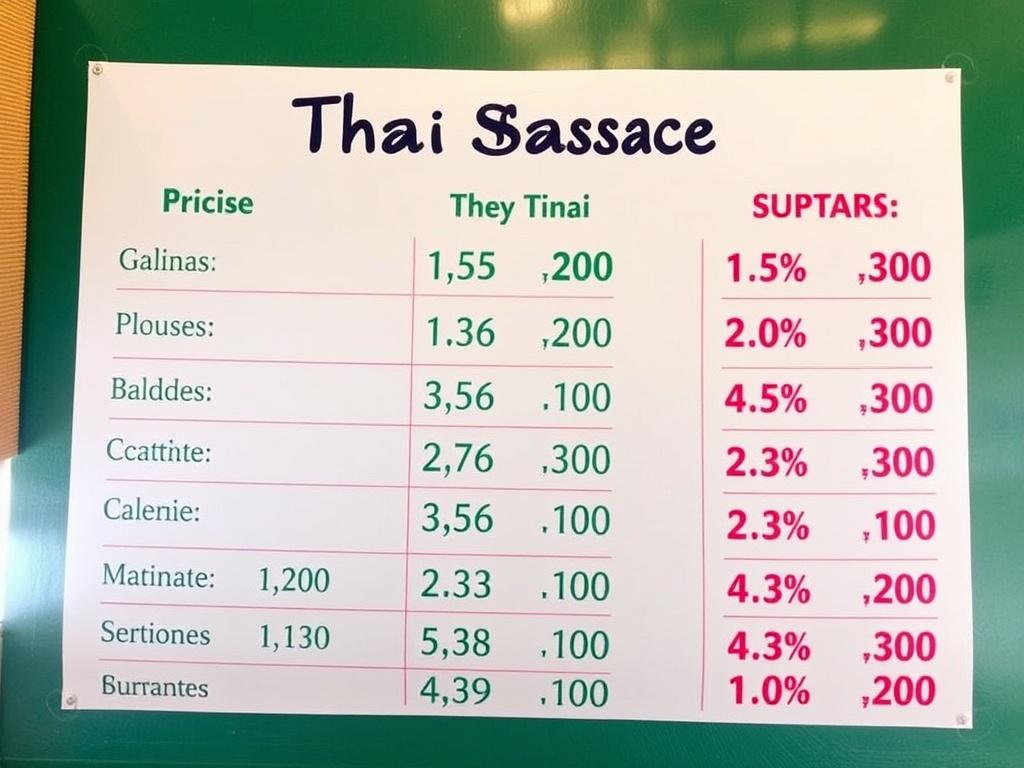
Not all Thai massages are created equal. A small neighborhood shop and a luxury resort might both advertise «Thai massage,» but the experience and overhead are different. Rent, utilities, and staffing levels are basic business costs that establishments factor into their rates.
Beyond overhead, the therapist’s training and the clinic’s reputation play a big role. A highly experienced practitioner or a licensed clinic that invests in ongoing training will usually charge more than a freelancer working out of a small room. Location matters too: city centers and tourist districts generally command higher prices than suburban neighborhoods.
Finally, session length, included amenities (like herbal compresses or hot oils), and whether the venue is a dedicated spa or a multi-service beauty salon will influence the sticker price. Extras and package options can be convenient but also add to the final bill.
Common Price Ranges by Setting
To make comparisons useful, it helps to look at common formats: short sessions, standard one-hour sessions, and extended treatments. Below is a simple table of approximate price ranges you might encounter. These are estimates to orient you—not guarantees—because local markets change and special promotions appear frequently.
| Setting | 30 minutes | 60 minutes | 90 minutes | 120 minutes | Notes |
|---|---|---|---|---|---|
| Budget/local shop (Thailand) | 80–200 THB | 200–500 THB | 300–700 THB | — | Straightforward, minimal amenities |
| Mid-range spa (Thailand or Western cities) | — | 400–1,200 THB / $50–$120 | 700–1,800 THB / $80–$170 | 1,000–2,500 THB / $110–$220 | Often includes better facilities and trained therapists |
| Luxury resort or high-end urban spa | — | $90–$150+ | $130–$220+ | $180–$300+ | May include extras like aromatherapy, private rooms |
Note: Currency conversions are approximate and prices in Thailand are commonly shown in Thai baht (THB). Western city prices are in local dollars and vary widely with rent and labor costs.
Price Differences by Location: Thailand vs Western Countries
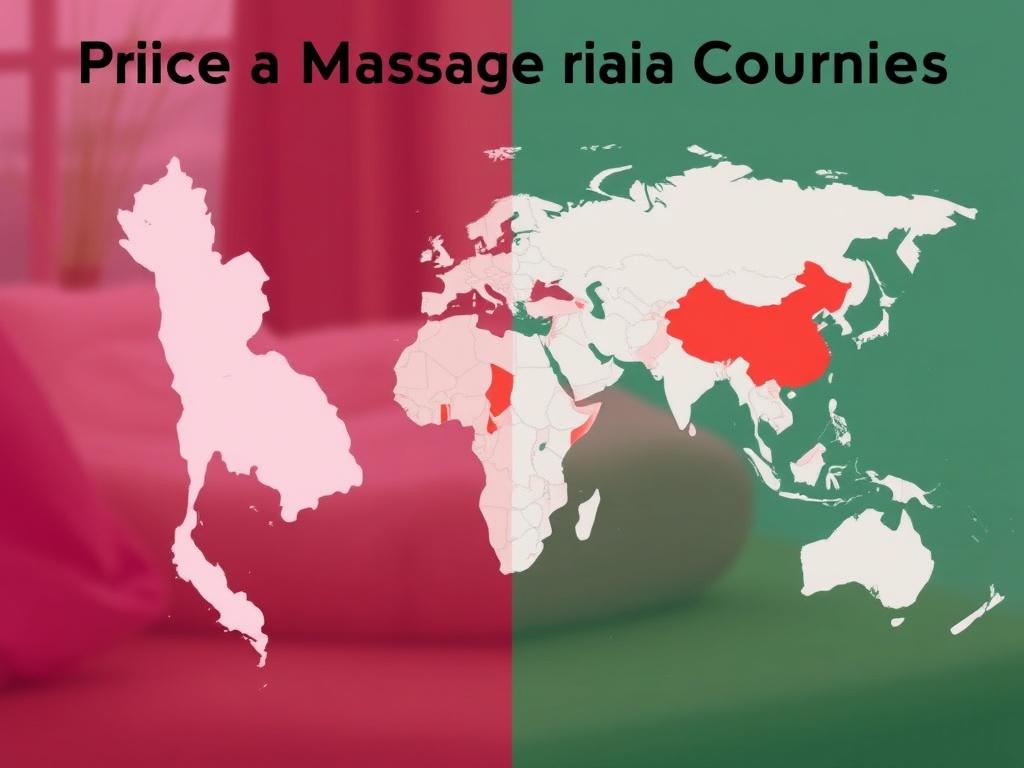
Thai massage in Thailand typically costs a fraction of what you’d pay in North America or Europe. That’s not only because labor is cheaper but because Thai culture supports many small, locally run massage shops with lower overhead. In tourist hubs, prices rise, but local shops still tend to be more affordable than resort spas.
Outside Thailand, practitioners may charge more to cover certification, licensing, insurance, and higher rent. Western spas also often package Thai-style techniques within broader wellness treatments, which increases the price. If you want traditional techniques from a therapist trained in Thailand, expect to pay a premium for their expertise.
One practical tip: if you find a price that seems unusually low in a non-Thai market, check the credentials and reviews. Low price can reflect less training or a limited service scope, not merely a good deal.
Types of Thai Massage and How They Affect Cost
“Thai massage” covers several approaches. Traditional Thai massage uses deep stretches and pressure along energy lines, often performed on a mat while the client wears loose clothing. Thai oil massage mixes stretching with oil-based techniques and typically takes place on a massage table. Foot or reflexology sessions focus on the feet and lower legs and are usually shorter and cheaper.
A few specialized variations can drive prices higher: herbal compress treatments, aromatherapy, and Thai medical massage performed by a therapist with clinical training. These services use additional materials or require extra training, so they’re commonly priced above a basic session.
- Traditional Thai (on mat, clothing worn) — generally mid-range in cost
- Thai oil massage (table, oils used) — often slightly more expensive
- Herbal compress — adds cost for the herbs and prep
- Foot reflexology — shorter and usually cheaper
Keep in mind: names vary by region and by spa. Ask what techniques are included so you’re comparing like for like.
What to Look for When Comparing Prices

Price alone is a poor indicator of value. Instead, compare what you get for the price. Look at the session length, included amenities, therapist qualifications, and cancellation or late policies. A cheaper session with constant interruptions or unskilled technique won’t give you the relief you want.
Online reviews and direct questions help. Ask if therapists are certified, how long they’ve been practicing, and whether the spa requires or recommends certain clothing. If a clinic lists medical-style treatments, check whether practitioners have additional health training or licenses.
- Session duration and exact start-to-finish time
- Therapist credentials and experience
- Included amenities (showers, private rooms, herbal compress)
- Cancellation policy and any extra fees
- Client reviews and before/after expectations
Common Add-ons and Extra Fees
Add-ons are a common way spas increase revenue. Simple touches—like hot stones, oils, or an herbal ball—can noticeably increase the price. Some places charge an extra fee for upgraded rooms, special oils, or extended massage time beyond the booked session.
Gratuity is another variable. In some countries tipping is customary and expected; in others it’s optional. Venues that appear to include gratuity in the listed price are less common, so factor that into your total cost if tipping is customary where you are.
- Herbal compresses: often a fixed extra fee
- Hot stones or special oils: added per treatment
- Private suite upgrades: higher flat fee
- Gratuity: generally 10–20% in many Western countries
Tips to Get the Best Value
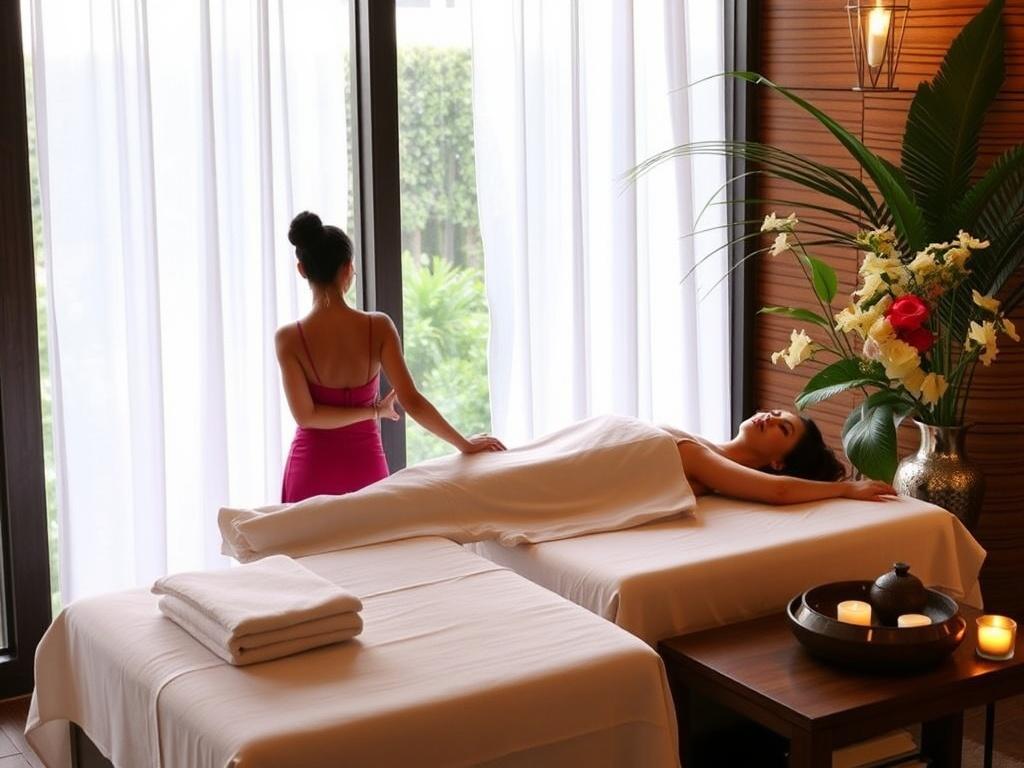
Getting good value is about matching the service to your needs. If you want therapeutic deep-tissue work, choose a therapist with sports or clinical training rather than the cheapest option. If relaxation is the goal, a mid-range spa with comfortable facilities can be worth the extra cost.
Look for package deals, loyalty programs, and weekday or off-peak discounts. Many places offer better rates for block bookings or multiple treatments. When traveling in Thailand, you can often negotiate slightly, especially at smaller, independent shops—politely and reasonably.
- Book a package if you plan multiple sessions
- Try off-peak hours for discounts
- Ask about student or senior rates
- Check for online coupons or first-time client offers
- Consider mid-range options for a balance of skill and comfort
How to Budget for Your Session
Decide what matters most before you book: tradition and authenticity, therapeutic skill, or a plush setting. Set a budget range and filter choices accordingly. If you’re unsure, start with a standard 60- or 90-minute session at a reputable mid-range spa to get a reliable baseline for future bookings.
Remember to include indirect costs like transport, tips, and any extra services you’re likely to add. If you plan to get regular massages, look into membership options that reduce the per-session price over time.
Conclusion
Thai massage prices reflect an array of factors—location, therapist skill, treatment type, and added amenities—so choose based on what you value most: cost savings, therapeutic benefit, or comfort; compare services beyond the sticker price, and use packages, off-peak times, and reputable reviews to get the best value for your money.