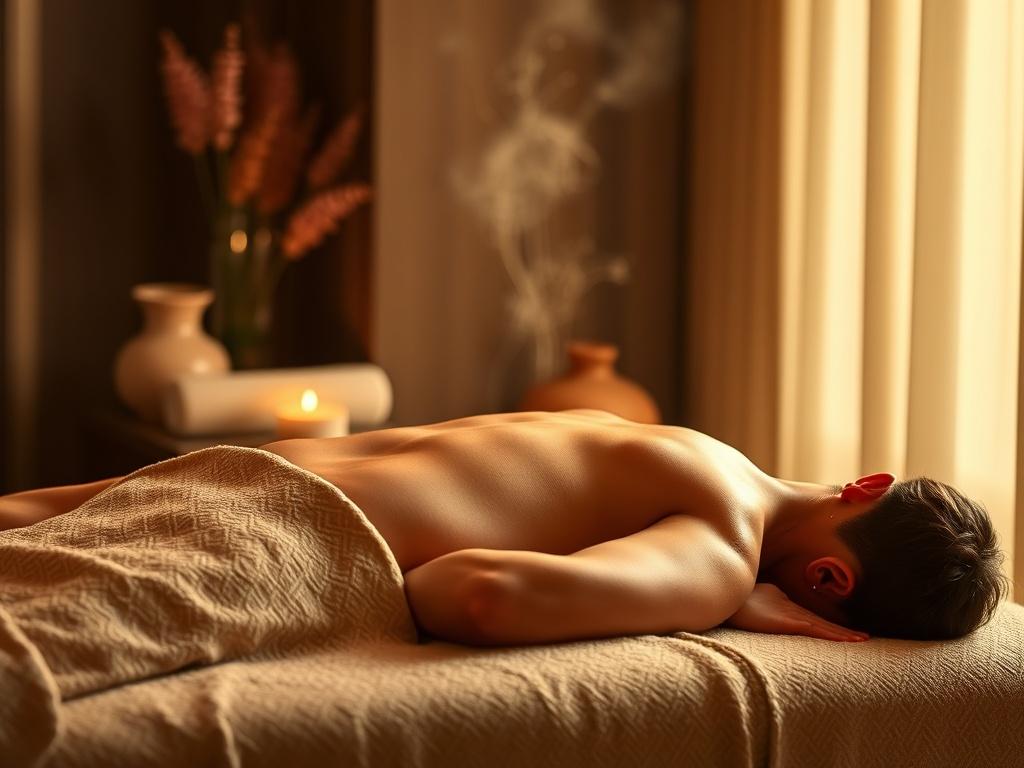

Body-to-body massage, when done with warmth and care, can be a deeply relaxing experience that blends full-body touch with the soothing influence of heat. This approach uses the therapist’s or partner’s body as a medium for pressure and glide, often with warm oils, towels, or heated stones to amplify comfort and ease muscle tension.
In this article I’ll walk you through what a hot body-to-body massage is, why people choose it, how to prepare, and safe step-by-step techniques you can discuss with a professional or try in a clear, consensual, non-explicit setting. The goal is calming, therapeutic contact—not anything that crosses personal or legal boundaries.
Understanding Body-to-Body Massage
At its core, body-to-body massage replaces or complements hands-on strokes with broader contact: forearms, chest, thighs, and sometimes full torso-to-torso contact are used to create long, even pressure over larger areas of the body. That larger surface area can feel more enveloping and grounding than a typical hand-based massage.
Adding heat—through warm towels, heated massage oil, or stones—enhances tissue pliability and gives a comforting, “hot” sensation that helps the nervous system relax. Heat increases local circulation and can make slow, gliding maneuvers feel more fluid.
Benefits of Warm Body-to-Body Contact
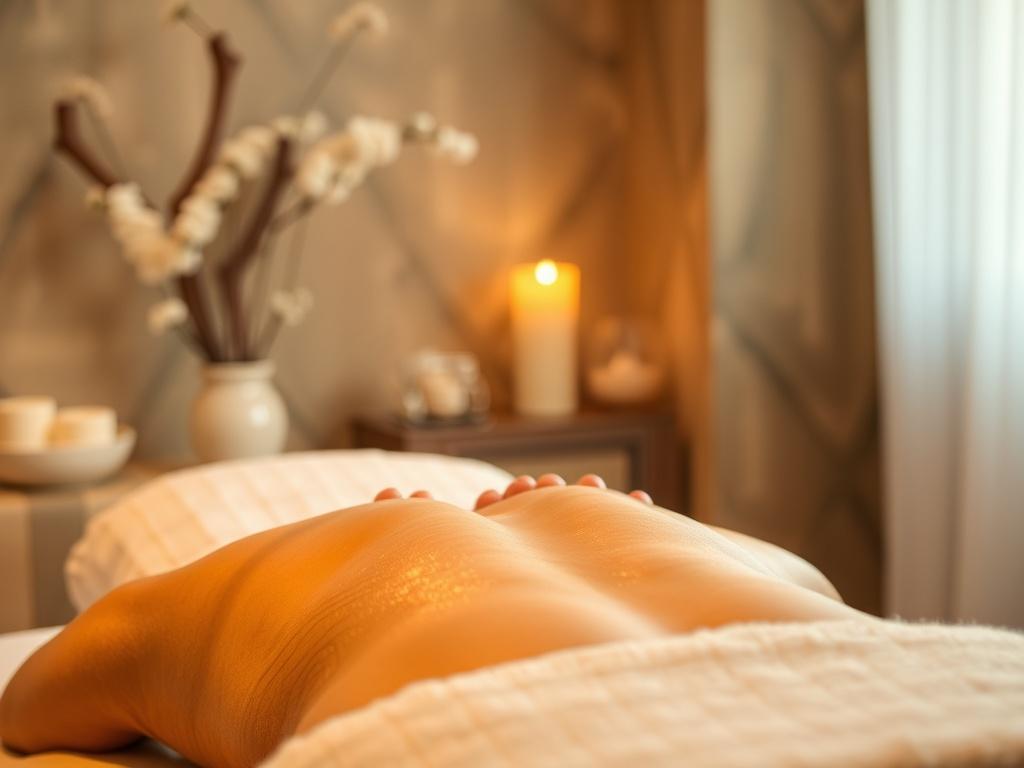
People report multiple calming effects from a warm body-to-body massage: decreased muscle tension, improved mood, and a sense of being held. The combined influence of sustained pressure and heat can accelerate relaxation faster than brief hand techniques alone.
Beyond relaxation, there are practical benefits. Increased blood flow to soft tissue supports recovery, while the large, continuous contact helps release stuck areas in the shoulders, back, and hips without frequent repositioning or abrupt pressure changes.
Preparing for a Session
Preparation matters for comfort and safety. Whether you are a practitioner or a partner, lay out clean linens, pre-warm towels or oil, and create a private, calm space with soft lighting and minimal noise. Proper setup reduces interruptions and helps both people stay present.
Have a brief conversation before starting. Confirm boundaries, areas that should be avoided, and an easy signal to pause or stop. Consent and ongoing communication are essential—heat and close contact can be intense, and preferences vary widely.
Essential Supplies
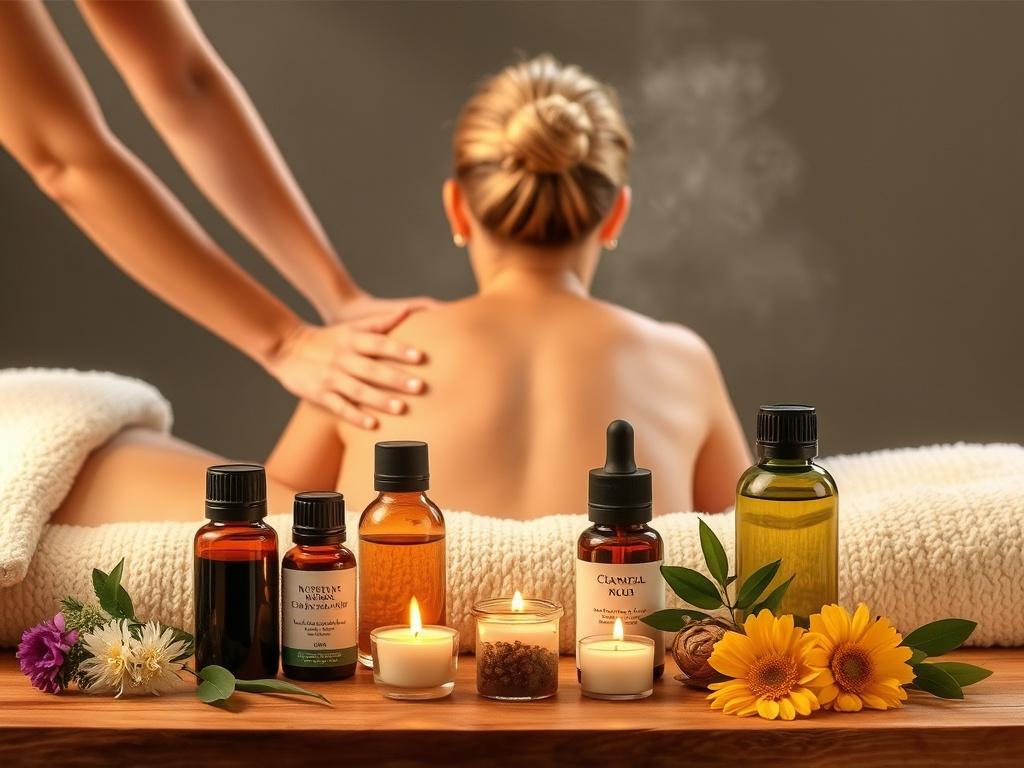
Use high-quality materials to keep the experience pleasant and hygienic. Warm, hypoallergenic oil or lotion reduces friction; towels and a waterproof sheet protect surfaces; and a thermally safe heating device ensures consistency in temperature.
- Neutral, skin-friendly oil (almond, jojoba, or a professional blend)
- Electric towel warmer or hot water bottles wrapped in cloth
- Clean sheets and extra towels for covering and modesty
- Pillows or bolsters to support joints and spine
Keep a clock or timer within reach to manage session length without constant checking of phones or watches.
Step-by-Step Techniques
Below is a practical, step-by-step framework to guide a warm body-to-body massage. These directions are meant for consensual, adults-only contexts and should be adapted to comfort and skill level.
Before attempting any maneuver, confirm comfort with temperature and pressure. Start slow and increase intensity only if invited.
Starting and Grounding
Begin with the recipient lying comfortably on a flat surface. Use a warm towel to gently dry and preheat the skin. Light, non-invasive strokes with warmed hands or forearms help establish contact and trust.
Breath synchronization—taking a few deep, shared breaths—can center both people and reduce nervousness. Keep verbal prompts soft and minimal unless the recipient prefers otherwise.
Basic Body-to-Body Moves
Move from larger, gentler contact to slightly firmer techniques. For example, lay a forearm along the recipient’s back, then tilt your weight to create smooth, even pressure that travels along the spine and shoulder blades. Glide across the back using your torso or thighs for longer, more encompassing strokes.
- Chest-to-back or front-to-back glides with warm oils for even pressure.
- Diagonal body sweeps using forearm and torso to target the latissimus and gluteal areas.
- Hip and thigh brushing to loosen deep pelvic and hip tension.
Always keep one hand or point of contact on the body so transitions feel continuous rather than abrupt.
Using Heat Effectively
Heat should feel pleasant, not uncomfortably hot. Test any warmed towel or oil on your inner forearm before applying. Consider incremental warming—start with body-temperature oil and add slightly warmer towels where tension is most severe.
Hot stones can be integrated conservatively: place them on broader muscle groups (lower back, thighs) for a few minutes, then remove before any skin-to-skin body-to-body technique to avoid burns and maintain a professional rhythm.
| Tool | Use | Safety Tip |
| Warm Towels | Preheat skin; maintain warmth during session | Test temperature; wrap to avoid direct heat on sensitive areas |
| Heated Oil | Reduces friction; enhances gliding strokes | Keep at body-safe temperature; use small amounts |
| Hot Stones | Deep, localized heat on large muscles | Use a barrier; monitor exposure time closely |
Safety, Boundaries, and Aftercare
Safety is non-negotiable. Establish a clear stop signal and respect modesty by covering areas not being massaged. For professional contexts, abide by local regulations and scope-of-practice rules; for private partners, maintain clear consent throughout the session.
Aftercare includes gentle rehydration, a few minutes of quiet rest, and advice to avoid strenuous activity for a short period. Encourage drinking water to help flush metabolic byproducts released during massage.
Contraindications to Keep in Mind
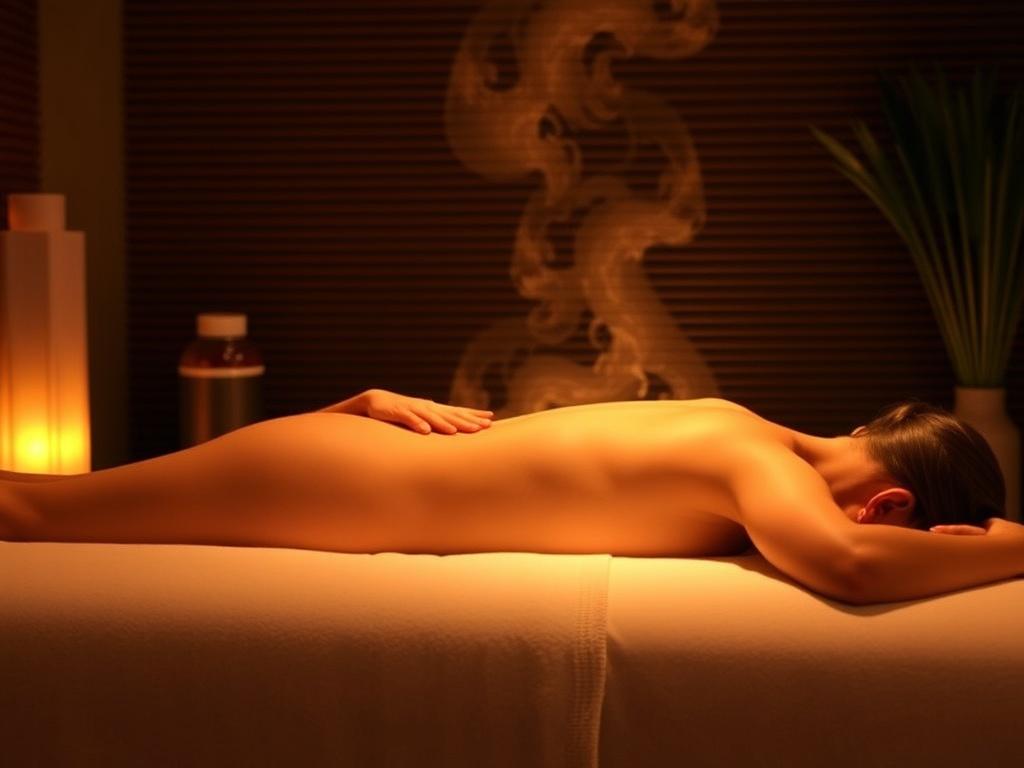
Some conditions make hot body-to-body techniques inappropriate. Acute inflammation, fever, open wounds, recent surgeries, or certain circulatory disorders require avoiding heat or close contact. When in doubt, consult a healthcare professional before scheduling a session.
- Avoid if there is active infection or skin breakdown.
- Skip heated techniques for people with uncontrolled high blood pressure or recent cardiovascular events.
- Consult a doctor for pregnancy-related modifications; certain positions and heat sources may be contraindicated.
Choosing a Practitioner or Partner
If you prefer a professional, look for licensed massage therapists with experience in the specific style you want. Ask about training, hygiene practices, and how they handle consent and draping. A reputable practitioner will welcome your questions and clearly outline policies before a session.
If the massage is with a partner, have an honest dialogue about expectations and boundaries beforehand. Consider practicing lighter body-to-body contact first to gauge comfort with warmth and proximity.
Questions to Ask Before Booking
Good questions save awkwardness later. Ask about session length, what is included (oil, towels, heating), and how the therapist manages touch and boundaries. For partners, agree on safe words and how to physically support each other during transitions.
- What training do you have in close-contact massage?
- How do you warm oils and towels safely?
- What is your policy if the recipient becomes uncomfortable?
Common Myths and Practical Tips
One myth is that “more heat equals better results.” In reality, moderate, well-timed warmth works best; excessive heat risks irritation or burns. Another misconception is that body-to-body massage is inherently sexual—while it can be intimate, many therapists practice it strictly for therapeutic relaxation.
Practical tips: always warm the oil gradually, protect surfaces with a waterproof barrier, and keep communication open. Small adjustments—adding a pillow under the knees, lowering the music, or reducing pressure—can transform a good session into a great one.
Conclusion
When performed respectfully and safely, a hot body-to-body massage can be a powerful way to release tension, improve circulation, and feel deeply soothed; preparation, clear consent, appropriate warming, and attentive aftercare make the difference between a fleeting novelty and a genuinely restorative experience.