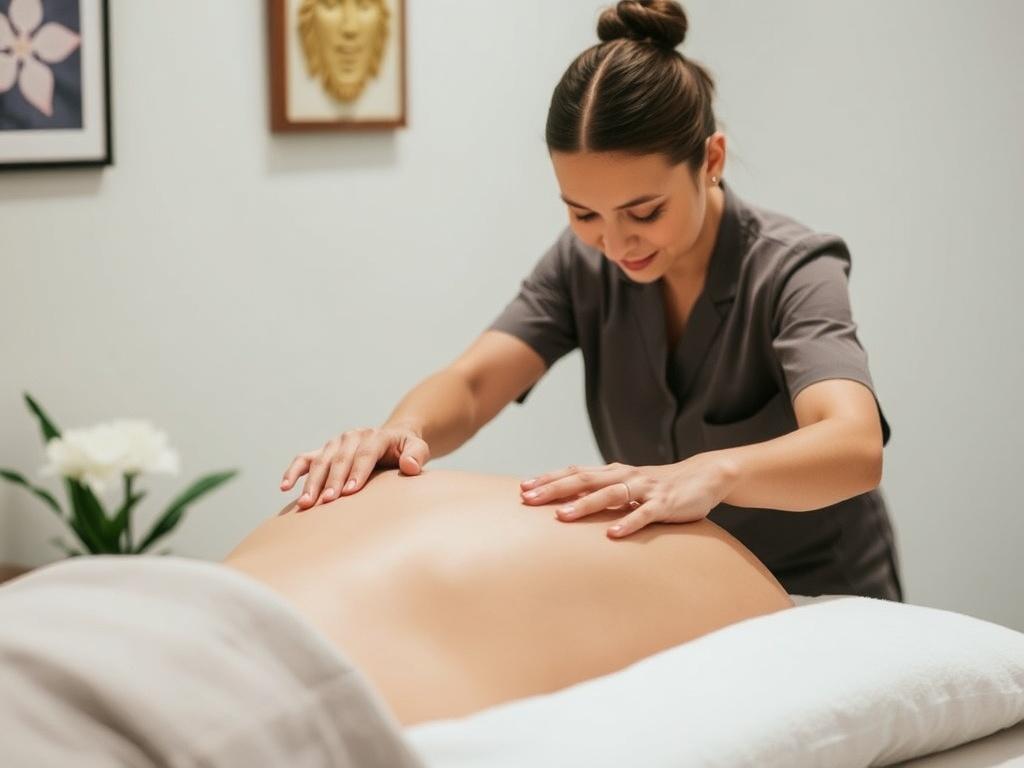

Touch is older than words. A simple hand on the shoulder can steady a person in a moment of stress. In the context of massage, touch becomes deliberate — a conversation between skin, muscle, and breath. This article explores why massage touch matters, how different techniques work, and how to use touch safely and effectively, whether you’re a trained practitioner or someone looking to relieve everyday tension.
We’ll move from the science to the practical: what happens under the skin when pressure is applied, how touch shapes emotional states, and step-by-step ways to structure a session. Expect clear, useful guidance and realistic tips you can apply today.
Why Touch Matters: Physiology and Psychology
When a hand glides over tissue, receptors in the skin send signals to the nervous system. That input can reduce sympathetic (fight-or-flight) activity and boost parasympathetic responses, which slow the heart rate and promote digestion and relaxation. Neurochemicals like oxytocin and serotonin often rise after gentle, supportive touch, creating a calmer internal experience.
Beyond chemistry, touch communicates safety and attention. For many people, a confident, attuned touch can lower anxiety, ease pain perception, and increase body awareness. That combination — biological and relational — is what makes massage more than a technical skill; it’s a human exchange.
Types of Massage Touch and When to Use Them
Massage uses a range of touches, from long gliding strokes to targeted friction. Each style meets different goals: soothing, mobilizing, or releasing tension. Choosing the right approach depends on the client’s needs, the state of the tissue, and the therapeutic objective.
Below is a compact comparison of several common techniques to help you understand how they differ and what they aim to accomplish.
| Technique | Primary Touch Style | Common Uses |
| Swedish | Long effleurage and rhythmic kneading | General relaxation, improved circulation, stress reduction |
| Deep Tissue | Slow, sustained pressure and deep strokes | Chronic muscle tension, breaking up adhesions, targeted pain relief |
| Myofascial Release | Gentle sustained pressure and stretching of fascia | Restricted movement, tight connective tissue, posture issues |
| Shiatsu | Firm finger pressure at acupoints and along meridians | Energy balancing, tension relief, improved mobility |
How Pressure, Speed, and Direction Influence Results
Pressure depth matters. Light, slow strokes tend to calm the nervous system. Firm, steady pressure can reach deeper layers and alter muscle tone. Speed affects both sensation and physiology: fast, brief strokes stimulate and invigorate, while slower movements encourage relaxation.
Direction of touch relates to circulation and lymphatic flow. Effleurage toward the heart supports venous return; stroking along muscle fibers often feels more comfortable than against them. Skilled touch integrates these choices to match the client’s response.
Preparing for a Session: Environment and Mindset
A successful session begins before hands meet skin. The room should feel safe: appropriate temperature, comfortable table, soft lighting, and minimal distractions. These elements let the client let go physically and mentally, which amplifies the benefits of touch.
Equally important is the practitioner’s mindset. Presence, calm breathing, and clear intention translate through the hands. A hurried or distracted provider can’t create the same quality of touch as someone who is focused and attuned.
Communication: Consent and Boundaries
Clear verbal consent is essential. Ask about comfort, pain, recent injuries, and preferences for pressure. Reassure the person they can speak up any time. This builds trust and prevents miscommunication, which otherwise reduces therapeutic effectiveness.
Discuss draping and privacy, and explain the plan for the session — what you’ll focus on and why. When people know what to expect, they relax faster and the touch itself becomes more meaningful.
Step-by-Step: A Simple Full-Body Session Plan
This outline gives a structure you can adapt. The order follows a gentle progression from broad, calming strokes to more focused work, then back to soothing techniques to close the session.
- Welcome and intake: 2–3 minutes of conversation to confirm needs and contraindications.
- Warm-up: Effleurage on the back and limbs to encourage circulation and relaxation.
- Work phase: Apply targeting techniques (kneading, friction, myofascial release) where tension concentrates.
- Stretching and mobilization: Gentle movements to restore range and ease stiffness.
- Wind-down: Lighter, rhythmic strokes to integrate the session and encourage parasympathetic response.
Timing depends on session length. For a 60-minute session, allocate roughly 10–15 minutes for warm-up, 30–35 minutes for focused work, and 10 minutes for wind-down and feedback.
Practical Touch Tips for Better Outcomes
Start and stop contact in predictable ways: a hand resting lightly before beginning and a gentle lift at the end reduces startle responses. Keep fingers and thumbs aligned and use the whole palm when possible to spread pressure. Move from the larger muscle groups into smaller, more sensitive areas to help the nervous system adapt.
Always monitor the client’s breathing and facial expression. A change can signal discomfort or the need to adjust pressure. Good touch is responsive touch, not purely forceful or procedural.
Safety: Contraindications and When to Refer
0
Massage is generally safe, but there are situations where touch can harm. Avoid direct deep pressure over inflamed joints, recent fractures, open wounds, infectious skin conditions, or areas with deep vein thrombosis risk. When in doubt, consult medical guidance or defer treatment.
Here are common contraindications that require caution or referral to healthcare professionals:
- Acute infections or fever
- Uncontrolled hypertension or severe cardiovascular disease
- Recent surgeries or unstable medical conditions
- Active cancer treatment without clearance
- Areas with unexplained lumps or severe swelling
Self-Massage: Tools and Simple Techniques
Self-massage helps bridge professional sessions. With minimal tools—tennis ball, foam roller, or hands—you can reduce tension and refresh circulation. The key is to apply pressure that feels productive without creating pain that lingers.
Try these quick methods at home:
- Neck release: Use fingertips to make small circles along the base of the skull and upper shoulders for 1–2 minutes.
- Calf work: Roll a foam roller slowly under the calves, pausing on tight spots for 20–30 seconds.
- Hand care: Press the thumb into the palm and along each finger base to ease grip fatigue.
When to Seek Professional Help
If pain is persistent, sharp, or worsening, or if mobility decreases, a trained therapist or medical evaluation is warranted. Professionals can assess underlying causes and apply techniques beyond self-care, such as advanced myofascial work or neurologically informed approaches.
Regular sessions can be preventive as well as corrective. People with repetitive strain, desk-bound jobs, or chronic stress may benefit from scheduled treatments to maintain tissue health and reduce flare-ups.
Training, Ethics, and Ongoing Learning
0
Good touch comes from education and reflection. Basic certifications teach anatomy, palpation, and safety, but real skill develops through practice, feedback, and continuing study. Ethical practice includes informed consent, clear boundaries, and confidentiality.
Keep learning: take courses in neuromuscular therapy, pain science, or communication skills. The better you understand how and why touch works, the more effective and compassionate your practice will become.
Conclusion
Massage touch is a skilled, adaptable language that blends science and human presence—when used thoughtfully, it relaxes the nervous system, eases pain, and reconnects people with their bodies; learning to listen with your hands and to communicate clearly will make that touch powerful and safe.