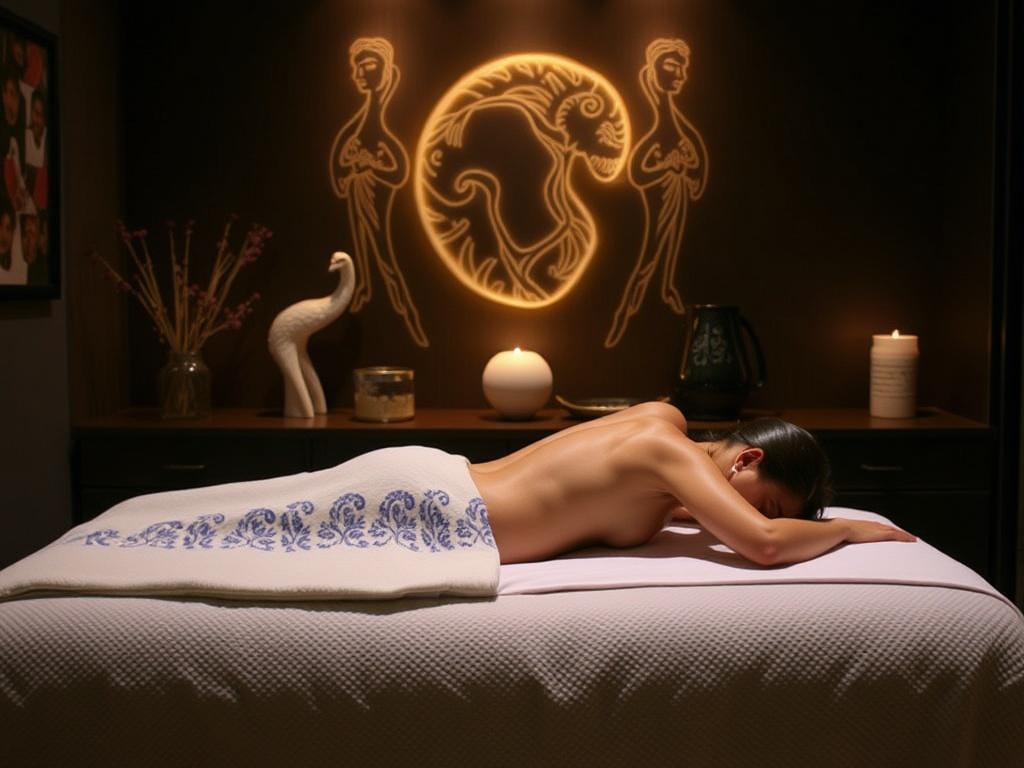

What a Body-to-Body Massage Is — and What It Isn’t

Body-to-body massage is a style of hands-on therapy where the practitioner uses not only their hands but also other parts of their body — forearms, torso, or thighs — to deliver pressure and stretching. The technique emphasizes contact, warmth, and the distribution of pressure across broader surfaces, which can feel different from focused hand-only strokes.
This approach is used in several legitimate therapeutic traditions to increase surface area contact, create longer glide patterns, and encourage relaxation. It is important to separate therapeutic bodywork from sexualized portrayals; a professional body-to-body session in Manhattan follows ethical standards, clear consent practices, and appropriate draping to protect client comfort and privacy.
Why People Choose Body-to-Body Massage in Manhattan
Manhattan is home to a wide spectrum of wellness offerings, from clinical sports therapy to boutique urban spas. Many people choose body-to-body massage here because it can produce a uniquely grounding sensation — the kind that helps nervous systems calm down and muscles release with fewer repetitive motions.
Clients often report an immediate sense of warmth and integration after a session. For those dealing with chronic tension, stiffness from desk work, or the sensory overload of city life, a well-executed body-to-body technique can feel more immersive and restorative than a standard massage.
Common Benefits
The physiological and psychological benefits overlap. Expect improved circulation and lymphatic movement, reduced muscle tightness, and a drop in perceived stress. Because the strokes are broad and continuous, many clients also notice deeper relaxation and easier breathing patterns during and after the session.
Results vary with individual needs and the therapist’s training. When seeking a Manhattan provider, look for someone who can explain how the method suits your goals — whether pain relief, relaxation, or increased mobility.
How a Typical Session Works
Sessions usually begin with an intake: a brief history, description of current complaints, and a few questions about medical issues that could affect treatment (blood pressure, skin conditions, recent surgeries). This conversation sets boundaries and informs technique choices.
During the massage, draping and modesty are prioritized in reputable Manhattan studios. The therapist will explain the parts of the body they will use and ask for clear consent. Communication about pressure, discomfort, or awkwardness is encouraged throughout the session to ensure safety and comfort.
What to Expect Step by Step
Here’s a simple walkthrough of a typical professional appointment to help you arrive prepared:
- Arrival and paperwork — brief health intake and consent forms.
- Discussion of goals — target areas, pressure preferences, and any contraindications.
- Draping and privacy — you undress to your comfort level and lie on the table; only the working area is exposed.
- The session — the therapist uses a combination of hands and body contact, adjusting as needed.
- Post-session recap — suggestions for aftercare, hydration, and follow-up plans.
Safety, Licensing, and Ethics in Manhattan
0
New York City requires massage practitioners to carry appropriate credentials, and many studios in Manhattan operate under strict health and safety standards. When searching, verify that a provider has a state license and ask about their training in body-to-body techniques.
Ethics are essential. A professional will never pressure a client into increased undressing or any activity they haven’t consented to. If something feels off, you have the right to stop the session and leave. Good studios have clear policies on consent, draping, and harassment complaints.
Red Flags to Watch For
0
Not all listings are legitimate. Watch for these warning signs when choosing a therapist or studio in Manhattan:
- No listed license or vague credentials.
- Unclear policies about draping, boundaries, or consent.
- Requests to pay in cash only or meet outside of licensed premises.
- Pushy language about sexual services or offers that seem unrelated to therapeutic goals.
Techniques Explained — Non-Graphic and Practical
0
Body-to-body methods use broad surfaces to glide and compress tissues, often combining long effleurage-like strokes with gentle pressure and rolling motions. Therapists may lean weight across the client in a controlled way, using their torso to apply steady pressure without repetitive hand strain.
The goal is not to be provocative but to deliver coverage and sustained pressure that can be difficult to achieve with hands alone. Therapists trained in this style balance firmness with sensitivity to tissue response and client feedback.
Contraindications and Modifications
Certain health conditions require adaptation or avoidance of body-to-body work: open wounds, contagious skin conditions, recent surgeries, uncontrolled hypertension, or certain cardiac issues. A reputable Manhattan therapist will screen for these and modify techniques or recommend alternative treatments.
If you have any health concerns, bring them up during intake. Practitioners should provide clear options for modifying pressure, changing positioning, or choosing a different modality entirely.
Finding the Right Place in Manhattan
Manhattan’s wellness scene ranges from licensed medical spas to small private studios. Use online reviews, professional directories, and recommendations from trusted friends to narrow choices. Verify licensing information on the New York State licensing site when in doubt.
Quality indicators include clear service descriptions, transparent pricing, visible studio hygiene, and willingness to answer questions before booking. Many practitioners offer short introductory calls — use them to assess fit and comfort.
Questions to Ask Before Booking
Asking direct questions will both save time and protect your comfort. Good questions include:
- Are you licensed in New York State? What certifications do you hold?
- How do you manage draping and consent during a body-to-body session?
- What conditions would require you to modify or decline this technique?
- Can you describe the training you received in body-to-body methods?
Costs, Time, and What to Budget
Prices in Manhattan vary widely depending on location, practitioner credentials, and studio atmosphere. Ranges commonly run from modest neighborhood clinics to high-end boutique spas. Time blocks also differ — 60 to 90 minutes is a common option for body-to-body work because it allows for a full intake and proper transition between areas.
Tipping norms in Manhattan typically range from 15–25% of the service price. Some studios include gratuity; others leave it to the client. Clarify policies when you book.
| Service Length | Typical Cost (Manhattan) | Suitability |
| 30 minutes | $50–$90 | Targeted work, not ideal for full body-to-body session |
| 60 minutes | $90–$180 | Common balance of thoroughness and time |
| 90 minutes | $140–$260 | Best for a full, unhurried body-to-body experience |
Practical Preparation Tips
Arrive hydrated and wear comfortable clothes for travel home afterward. Avoid heavy meals immediately before an appointment. If you take medications or have mobility challenges, mention them during booking so the therapist can prepare suitable positioning aids.
Bring a list of any current conditions or medications to speed the intake process and help the therapist tailor the session safely.
Aftercare: Small Steps That Help
After a session, gentle stretching, warmth, and hydration help maintain benefits. You may feel slightly more tired than usual — that’s a normal relaxation response. If you experience unusual pain, bruising, or prolonged discomfort, contact your therapist and seek medical advice if necessary.
Scheduling follow-up sessions at appropriate intervals supports longer-term changes. Ask your practitioner for a suggested plan based on your goals and how your body responded.
Conclusion
Body-to-body massage in Manhattan can be a restorative, deeply relaxing option when provided by a licensed, ethical practitioner; prepare by researching credentials, asking clear questions, and communicating boundaries so your session supports well-being without surprises.