
Tantric massage touch combines deliberate physical contact with breath, attention, and intention to create a richer, more present experience for giver and receiver. It’s less about technique alone and more about cultivating a field of safety, curiosity, and palpable connection. Whether you’re a partner exploring a new practice or a practitioner refining your skills, the core is the same: slow down, listen, and let the body respond.
This article walks through the philosophy, preparation, practical steps, and ethical considerations of tantric massage touch. You’ll find concrete pointers that emphasize consent, boundaries, and presence rather than rushed instruction. Read on to learn how to create a gentle, grounded session that honors both intimacy and respect.
What is tantric massage touch?
Tantric massage touch is an approach that blends elements of traditional massage with tantric principles: awareness, breath, and the circulation of energy. It can involve slow, sustained strokes, featherlike touches, and techniques that invite the nervous system to relax and the senses to open. Many people describe it as meditative touch rather than a simple mechanical therapy.
It’s important to note that tantric massage can be practiced in non-sexual, sensual, or explicitly sexual contexts, depending on the agreement between adults involved. The central idea is to make intention and consent explicit before any hands-on work begins, and to hold the process with respectful curiosity.
Core principles of the practice
At the heart of tantric massage touch are presence and breath. The giver acts as a steady, attentive anchor; the receiver is held in a container of awareness that encourages relaxation and exploration. Touch is used as a language to communicate empathy, safety, and receptivity.
Another core principle is attunement: noticing subtle changes in the receiver’s breathing, muscle tone, and facial expressions and adjusting pressure, pace, and focus accordingly. This responsiveness keeps the session dynamic rather than prescriptive.
Presence and breath
Breathing together harmonizes the nervous systems and deepens the sense of connection. Encourage long, slow inhales and exhales; often a slower breath calms the mind and allows deeper sensations to emerge. The giver mirrors or lightly guides breath when appropriate, creating a shared rhythm.
Presence also means non-judgmental attention. Let go of outcomes, and treat each moment as information. If sensation shifts—becomes intense, sleepy, or emotional—acknowledge it softly and adjust without rigid expectations.
Sensual versus sexual boundaries
Clarity about boundaries is essential. Sensual touch emphasizes texture, warmth, and closeness without necessarily pursuing sexual arousal; sexual touch intentionally seeks arousal and orgasm. Both can be part of tantric massage if mutually agreed, but the distinction must be made before hands are on the body.
Discuss explicit agreements ahead of time: which areas are on-limits, whether undressing will occur, and what type of touch is welcome. Use safewords or simple signals for ongoing consent. Revisiting consent during the session is good practice.
Preparing for a session
0
Preparation sets the tone. Choose a quiet, warm room with soft lighting and minimal distractions. Comfortable bedding or a padded mat works well. Use natural, non-scented or lightly scented oils so skin glides easily, and avoid anything that might trigger allergies.
Both participants should arrive with clear communication about intentions, limits, and any physical issues like injuries or medical conditions. A short pre-session conversation of five to ten minutes creates safety and aligns expectations.
- Checklist before beginning:
- Discuss consent and boundaries.
- Confirm physical limitations or injuries.
- Set a session length and agree on a signal for pause.
- Prepare a warm, clean space and comfortable linens.
- Have water and a towel nearby.
Step-by-step guide to tantric massage touch
0
This step-by-step guide offers a gentle framework you can adapt. Think of it as a sequence rather than a rigid script. The pace is slow; the focus is on sensing and responding rather than delivering treatments mechanically.
Before you begin, both partners should be calm and grounded. Sit together for a few breaths and agree on the first area to be explored—often the back, shoulders, or feet are good starting points because they carry tension yet are less intimate than the chest or genitals.
- Begin with a grounding ritual: sit facing each other, place hands lightly on each other’s knees, and take five long, synchronised breaths.
- Apply a small amount of warm oil to your hands and slowly make contact, starting with broad, palm-based strokes to warm the skin and invite relaxation.
- Shift between strokes: long, flowing strokes to move energy and short, circular movements to negotiate localized tension.
- Use varied pressure—ask for feedback and observe breath. If the breath deepens, the pressure is likely welcomed; if it shortens or becomes irregular, soften your touch.
- Introduce feathering or light fingertip tracing along the edges of sensitivity to sharpen awareness without overwhelming the nervous system.
- Maintain presence: glance occasionally, notice micro-expressions, and keep your voice soft if you need to guide breath or check consent.
- Close the session slowly with broader strokes and a return to two-handed, heart-centered contact to integrate the experience.
Throughout the sequence, be flexible. If emotions arise—tears, laughter, or silence—acknowledge them gently and continue to offer steady, conscious touch unless you are asked to stop.
Techniques of touch
Tantric massage employs a palette of tactile approaches. The following techniques are common and can be mixed in a session to create texture and depth: slow gliding, kneading, circular friction, feather-light tracing, and static holding. Each approach has different effects on muscle tone and emotional responsiveness.
Keep in mind that technique alone won’t create a meaningful experience; how you hold attention while using technique matters as much as the stroke itself. A slow, intentional stroke with full presence is often more effective than many varied movements executed distractedly.
- Common techniques:
- Gliding strokes—use palms or forearms for broad, soothing contact.
- Palpation and kneading—target knots and tightness; check in regularly.
- Feathering—risk-free way to stimulate the nervous system and invite subtle awareness.
- Static holding—gentle, sustained pressure over an area to promote release and attention.
Table: Comparing touch techniques and typical effects
| Technique | Typical effect | When to use |
| Long gliding strokes | Promotes relaxation and circulation | Beginning and closing phases |
| Kneading | Releases muscle tension | When localized tightness appears |
| Feathering | Increases sensory awareness | To gently stimulate or shift focus |
| Static holding | Promotes deep release and presence | When receiver needs grounding |
Boundaries, consent, and communication
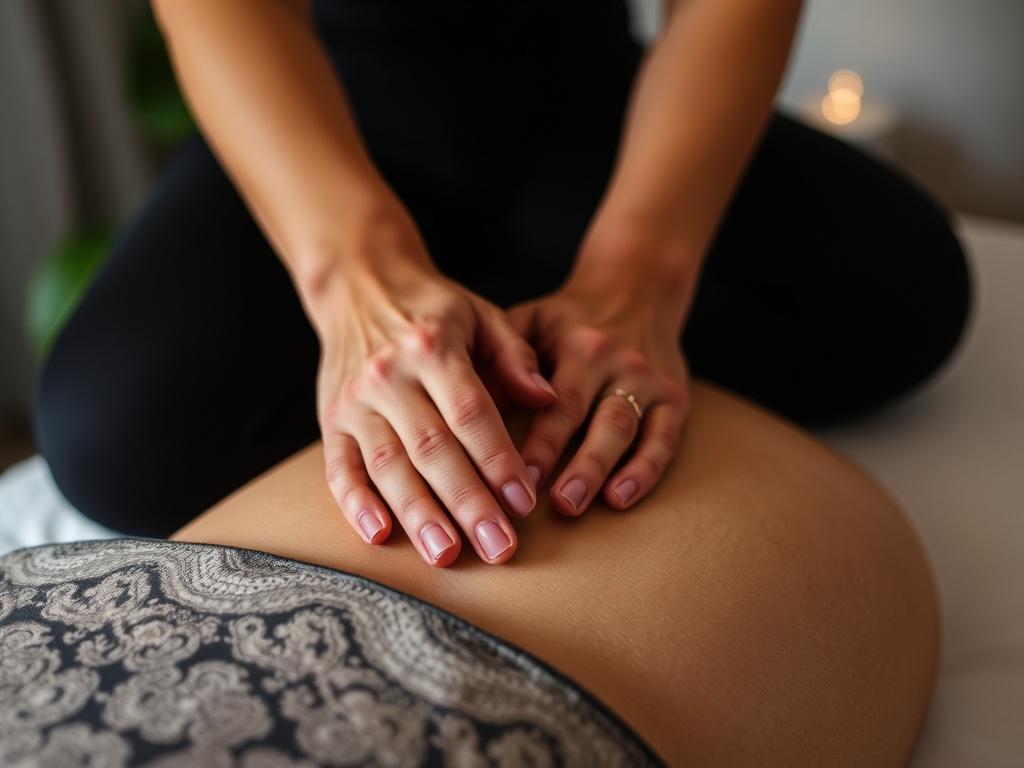
Transparent communication before and during the session is non-negotiable. Consent is ongoing and can be revoked at any time. Use verbal check-ins or nonverbal signals, and respect them immediately. If someone is unsure, slow the pace and reconnect through simple breath work.
Discuss privacy, photos, or recordings ahead of time—there should be none unless explicitly agreed. If you’re a practitioner, explain your training and the limits of what you can offer. If you’re a partner, be honest about comfort levels and curiosity. Honesty fosters trust, which is the foundation of any tantric massage touch practice.
Aftercare and integration
Aftercare is as important as the bodywork itself. After a session, both people should take time to rest, drink water, and avoid immediately jumping into emotionally charged conversations or activities. Quiet reflection helps integrate the subtle shifts that occurred during touch.
Offer a gentle hand, a warm blanket, or a cup of tea. Encourage journaling or simply sharing one word about how each person feels. These small gestures anchor the experience and make it easier to bring the benefits into everyday life.
- Aftercare ideas:
- Hydration and light snacks.
- Quiet time alone to process feelings.
- Short conversation focused on gratitude and observations, not judgments.
Benefits and precautions
0
People report a range of benefits from tantric massage touch: reduced stress, heightened awareness, improved intimacy with a partner, and a deeper sense of embodiment. Because the practice is personal and experiential, benefits vary and are subjective.
Certain precautions matter: avoid intensive work over recent injuries, skin conditions, or acute inflammation. If someone has significant mental health concerns or trauma, consider working with a qualified therapist alongside bodywork. If in doubt, consult a medical professional before trying hands-on practices.
Conclusion
Tantric massage touch is an invitation to slow down, connect, and hold one another with intention; when practiced with clear consent, attunement, and care, it can deepen intimacy and cultivate presence in both gentle and transformative ways.